Physical Address
304 North Cardinal St.
Dorchester Center, MA 02124
Physical Address
304 North Cardinal St.
Dorchester Center, MA 02124
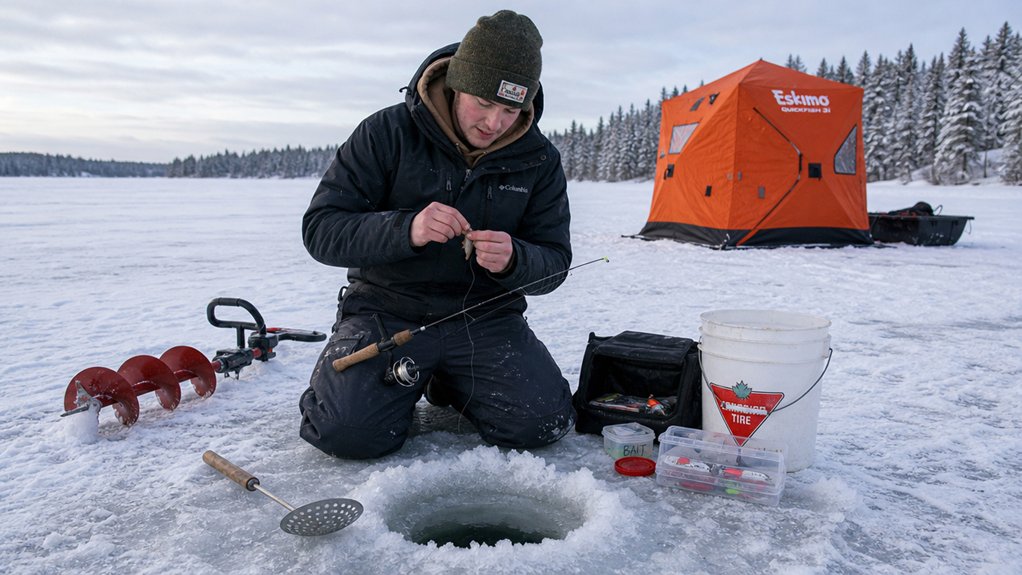
Ice fishing in Canada is more approachable than it looks. A short gear list, the right depth, and good timing are all you need to start.
This post contains affiliate links. We may earn a small commission if you purchase through these links, at no extra cost to you.
Standing on a frozen lake for the first time is a strange and particular feeling. The ice groans. The wind cuts across a surface that stretches to the tree line. And somewhere below your boots, in water that hasn’t seen light in weeks, fish are feeding.
Ice fishing is one of those Canadian winter activities that looks intimidating from the outside and turns out to be surprisingly approachable once you understand the basics. The gear list is short, the technique is learnable in an afternoon, and the experience of hauling a walleye up through a hole in the ice is hard to replicate any other way.
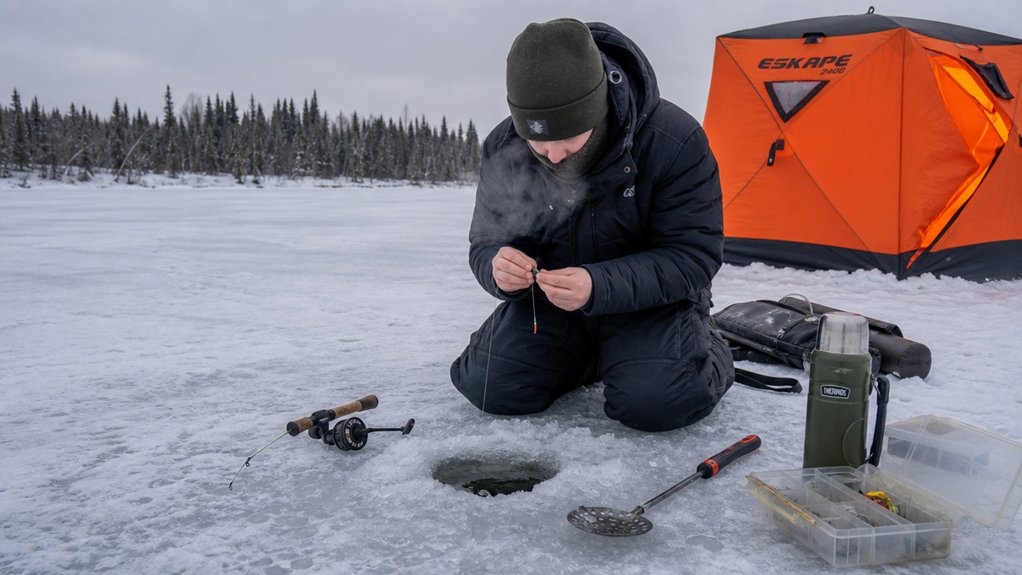
A good ice fishing guide confirms the ice is thick enough, minimum 4 inches, before your ice fishing adventure begins.
Heated shacks help you stay toasty all day.
Before you head out, make sure you understand the fishing licence rules that apply to ice fishing in your province. Always carry safety gear.
Ice picks and a flotation device are essential for safety on the ice during ice fishing.
Before you drill your first hole, you’ll need the right gear to make your ice fishing trip successful and safe.
Here’s your beginner’s guide to ice fishing season essentials:
Don’t forget proper clothing. Layer up with waterproof outerwear, insulated boots, and gloves.
Canada’s cold doesn’t negotiate.
If you need to pick one up before your trip, you can compare ice fishing rod combos on Amazon.
If you don’t have one yet, you can browse hand ice augers on Amazon.
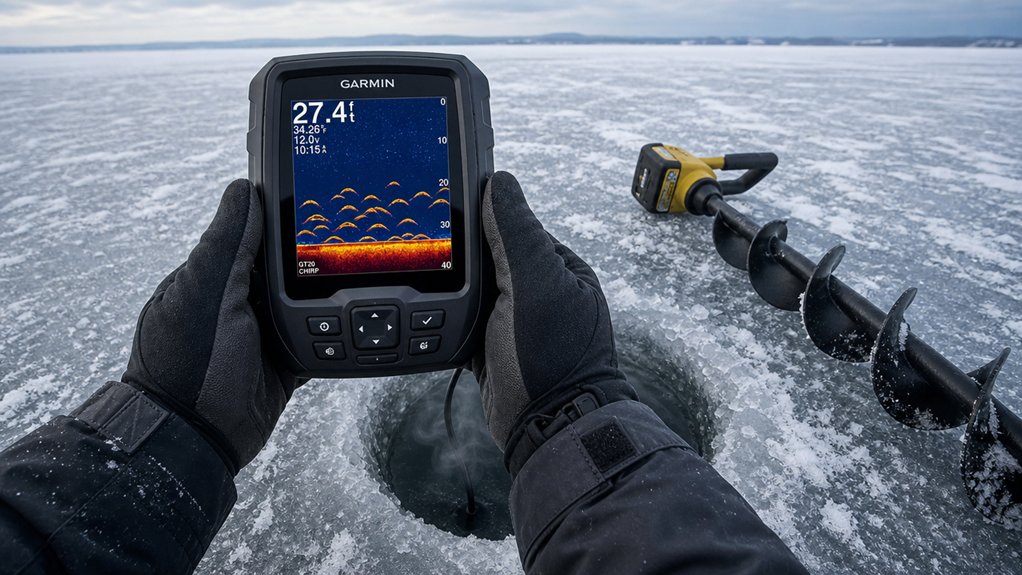
Monitor water temperature, since walleye and trout thrive in colder water near the ice.
Once you’ve drilled your hole, jig just 4–5 inches off the bottom. That’s where fish feed.
Timing matters too: early morning and late afternoon consistently produce the best results.
In Canada, walleye fishing requires understanding seasonal patterns, as these fish migrate to deeper waters during winter months.
This beginner’s guide to ice fishing keeps things simple, find the fish, then catch them.
Feel 2-3 taps?
Set the hook.
That’s your beginner’s guide to ice fishing success.
Ice fishing is one of the few winter activities that actually gets better the more patient you are willing to be. Set up in a good spot, get your jig to the right depth, and settle in. The fish move through on their own schedule, not yours.
If you’re going out for the first time, go with someone who has done it before if you can. The safety instincts, ice thickness habits, and general comfort on the ice come faster with company than from reading about it. Your second trip will feel completely different from your first.