Physical Address
304 North Cardinal St.
Dorchester Center, MA 02124
Physical Address
304 North Cardinal St.
Dorchester Center, MA 02124

Canada has more hikeable terrain than most people will ever cover in a lifetime. Some of the best of it is two hours from a major city.
Canada has more hikeable terrain than most people will ever get through in a lifetime. That sounds like a good problem to have. But it creates a real practical issue: where do you actually start?
The answer is almost always regional. This article is organized that way. It is not a ranked list, and it is not a highlight reel of bucket-list expeditions.
It is a regional starting point for the hiker who has a Saturday morning, a reasonable level of fitness, and wants to come home feeling like they did something worth doing.
Every destination here has an accessible entry point. The harder options exist if and when you want them.
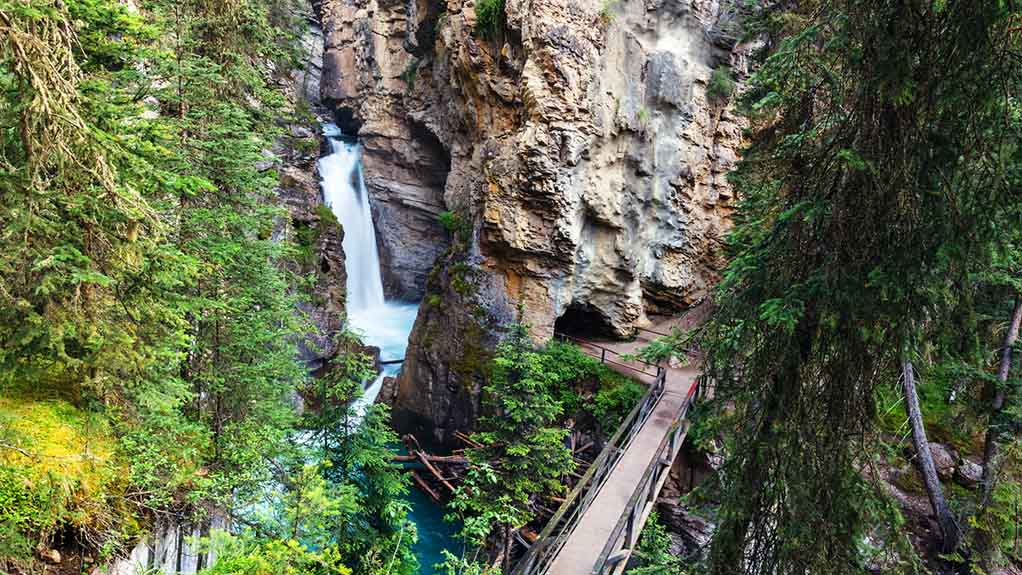
Banff gets a lot of attention, and most of it is deserved. The Rocky Mountain scenery is as good as advertised, and the wildlife viewing, including grizzly bears at distance in meadows and along roadsides, is genuinely different from anything else in Canada.
The crowds are real. July and August along the main corridors can feel more like a theme park than a wilderness. Going in June or September changes the experience significantly.
Johnston Canyon Lower Falls
Plain of Six Glaciers
Trail reservations are required for some areas in peak season. Check the Parks Canada trip planner before you go. And if you are heading anywhere into the backcountry, read up on hiking safety in bear country first. Banff is grizzly territory.
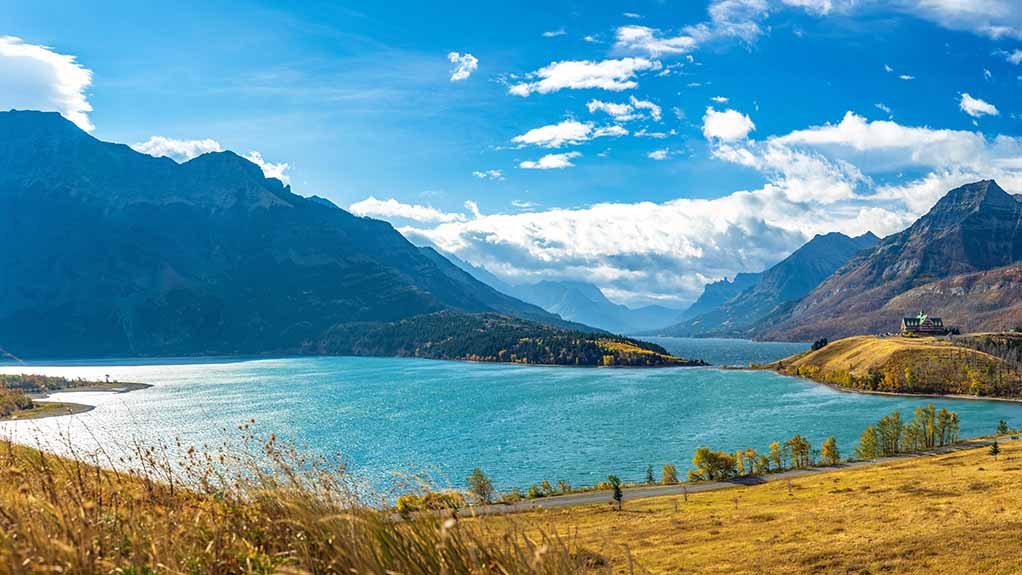
Waterton sits at the southern edge of the Alberta Rockies, where the mountains drop almost directly into the prairies. The transition is abrupt and genuinely striking.
It is also a fraction of the size of Banff and significantly easier to access without reservations. This is worth noting if you have had trouble getting into the more popular parks. Waterton rewards the visitor who shows up.
Cameron Lake Trail
Tamarack Trail
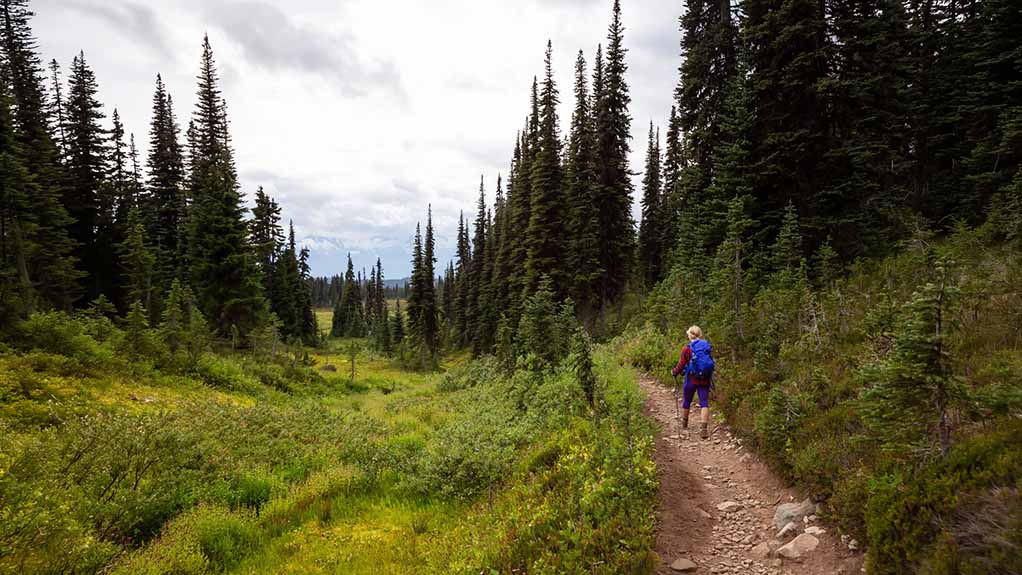
Garibaldi is one of the more spectacular parks in British Columbia, and it is accessible from Vancouver in a way that most wilderness parks are not. The volcanic terrain gives the lakes a colour quality that still surprises people who have seen the photos.
Day use reservations are required during peak season through BC Parks. Book ahead or plan for a shoulder season trip.
Cheakamus Lake
Panorama Ridge
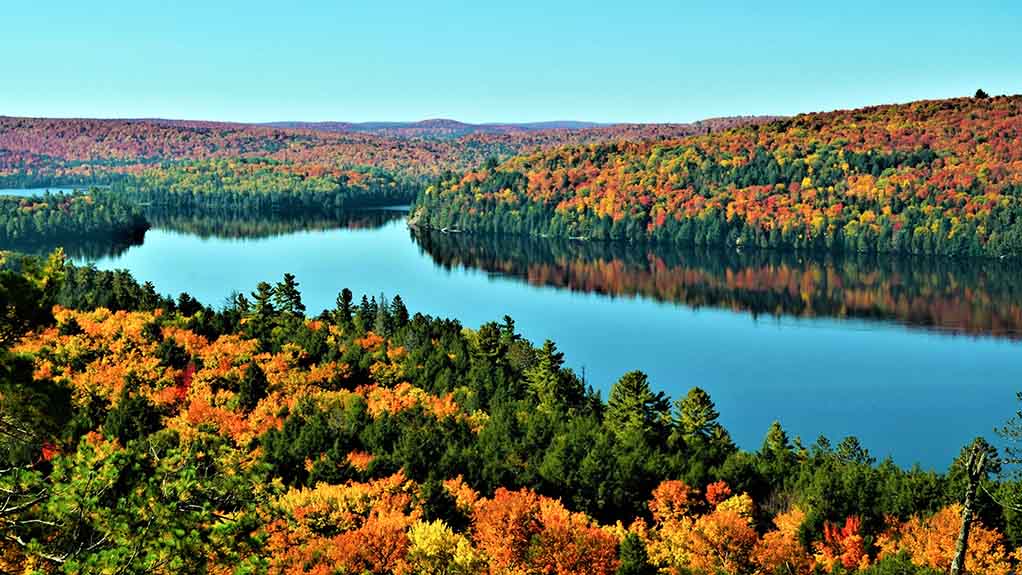
Algonquin is the park that a significant portion of Ontario grew up visiting, and it earns that reputation. The fall colours in late September and early October are among the best anywhere in the country. The moose are real. The loon calls carry across the lakes in a way that is hard to describe until you have heard them.
It is also popular enough that fall weekends fill up fast. Book early.
Centennial Ridges Trail
Western Uplands Backpacking Trail
The Bruce Peninsula is a different kind of Ontario hiking. Georgian Bay is improbably clear for a freshwater lake, and the shoreline along the Niagara Escarpment has a character more like the coast of Newfoundland than anything else in southern Ontario.
Parking reservations at Cyprus Lake fill quickly in summer. Plan ahead or arrive before 8 a.m.
Indian Head Cove
Bruce Trail
For more on hiking in Canadian national parks, including what to expect at reservation systems and entry points, that resource covers the planning side in detail.
Jacques-Cartier sits about 40 minutes north of Quebec City, which makes it one of the more conveniently placed wilderness parks in Canada. The park is built around a deep river valley carved by glaciers, and the drop from the rim to the valley floor gives even a short hike a sense of scale that takes people by surprise.
Moose are common here, particularly in the valley bottom near the river. Early morning on the Les Loups trail is a good time to see one.
Les Loups Trail
Les Épaulettes Trail
Sépaq manages Jacques-Cartier, and reservations for peak season are recommended. The park is quieter than Algonquin on most weekends, which makes it a good option if you are based in or passing through Quebec City.
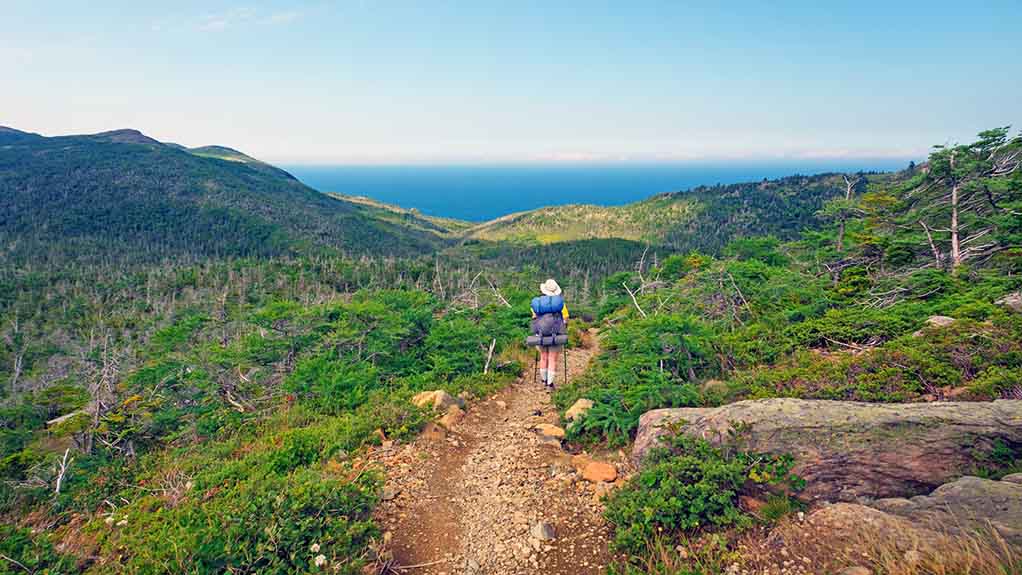
Gros Morne is a UNESCO World Heritage Site, and the geology alone justifies the designation. The Western Brook Pond fjord looks like something from another continent. The ancient rock exposed along the Tablelands is literally the earth’s mantle at the surface.
The moose population here is among the densest anywhere in Canada. You will see them.
Green Gardens Trail
Gros Morne Mountain
Note: no separate hiking permit is currently required for Gros Morne Mountain, but a valid Gros Morne National Park pass is required. Check Parks Canada before your trip, as seasonal closures and access rules can change.
Fundy is underrated. The tides are the highest on earth and they change the entire character of the shoreline twice a day. The coastal forest is dense and mossy in a way that feels more Pacific than Atlantic.
The shoulder seasons here, May and October, are genuinely good times to hike when most other parks are either crowded or closing.
Tide timing is not optional on coastal sections. Check tide tables before heading out.
Dickson Falls Trail
Coastal Trail
If you are thinking about extending your hiking season into colder months, the guide to preparing for a first winter hike in Canada covers what actually changes when the temperature drops.
The best Canadian hike is not the hardest one or the most famous one. It is the one that matches where you actually are right now.
Every destination in this article has a trail that does not require serious fitness, multi-day logistics, or years of experience.
Some flat routes are perfectly suitable for senior hikers. Johnston Canyon and Dickson Falls are genuinely accessible. Cameron Lake and Indian Head Cove are a short walk from a parking lot.
Those trails exist because the parks exist, and the parks are worth being in regardless of how far you push into them.
The harder options will still be there when you are ready.
Pick the region closest to you and start there.