Physical Address
304 North Cardinal St.
Dorchester Center, MA 02124
Physical Address
304 North Cardinal St.
Dorchester Center, MA 02124
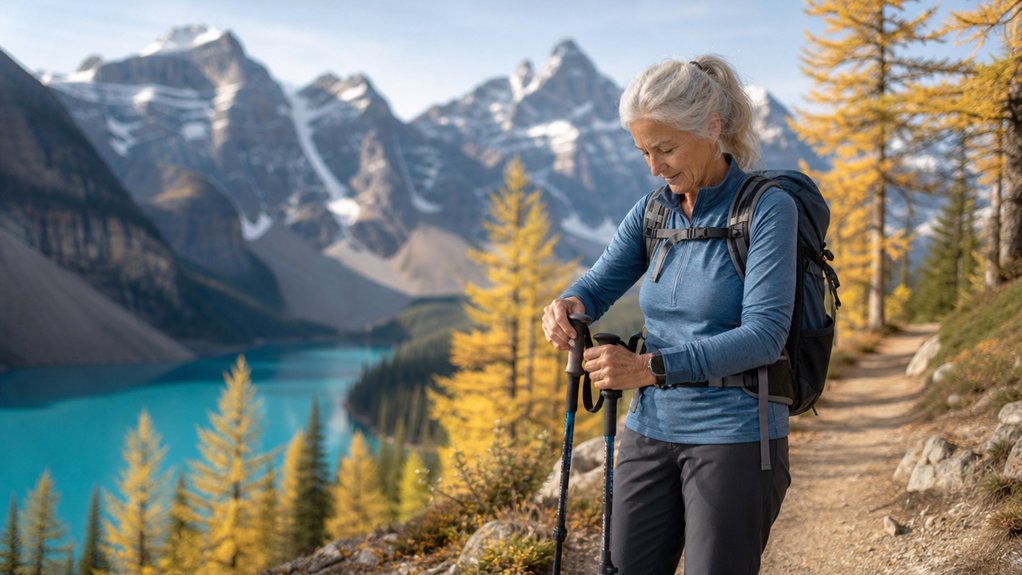
Starting hiking as a senior in Canada is about choosing the right first trails, pacing yourself honestly, and building from shorter outings over time.
This post contains affiliate links. We may earn a small commission if you purchase through these links, at no extra cost to you.
A lot of people come back to hiking in their fifties and sixties after years of being too busy, and they’re genuinely surprised by how much they’ve missed.
The trails are still there. The parks are still there.
What’s changed is mostly the approach, different gear choices, a smarter pace, a bit more attention to the body’s signals.
Starting or restarting hiking as a senior in Canada isn’t about doing less. It’s about doing it in a way that keeps it sustainable over years rather than weeks.
The right trail for a first outing looks very different from the right trail for someone two years in, and knowing that distinction saves a lot of unnecessary frustration early on.
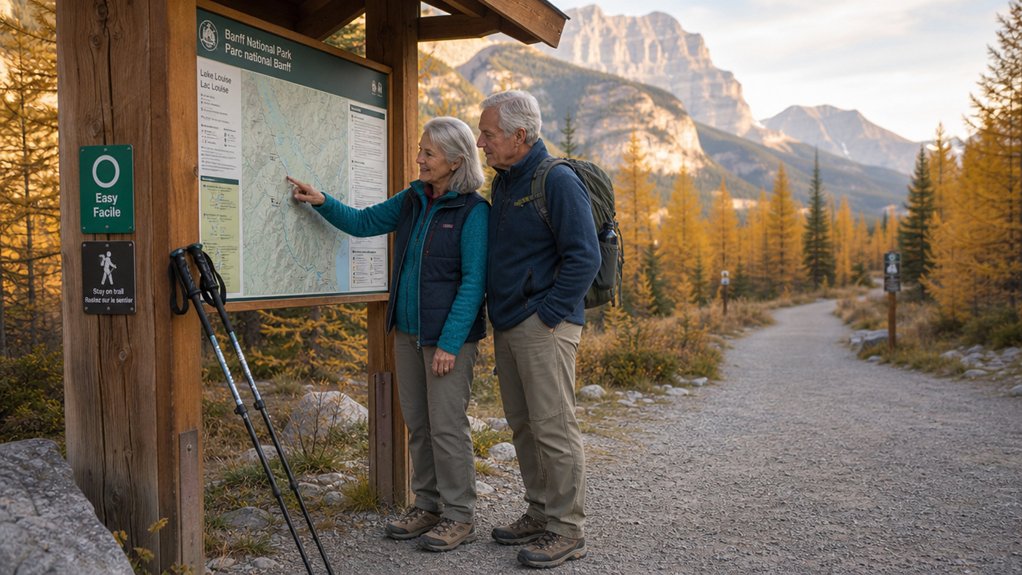
Choosing the right trail is the foundation of a safe and enjoyable hike, especially as a senior. Canada’s national parks, like Banff and Jasper, offer well-marked paths with gentle inclines that reduce strain on knees and joints.
Use the AllTrails app to filter trails by difficulty and length. Look for rest areas, wide paths, and gradual slopes.
From coast to coast, accessible hiking trails are available across Canada’s stunning regions, making it easier to find suitable options no matter where you live.
Plan accordingly:
If you’re still looking for supportive footwear, you can compare wide-fit hiking shoes on Amazon.
Before you hit the trail solo, packing the right gear can mean the difference between a great hike and a dangerous one.
Bring at least 2 liters of water using a hydration system; dehydration sneaks up on you fast. Toss in energy-dense snacks like trail mix to fuel your freedom.
Pack a map, compass, and fully charged cell phone for navigation and emergencies.
Wear moisture-wicking layers and a weather-appropriate jacket. Hiking poles improve stability on uneven terrain, reducing joint strain.
Finally, plan to take breaks regularly. While solo hiking offers independence, consider that finding a hiking partner can enhance safety and enjoyment on the trail. Good gear isn’t optional; it’s your ticket to a safe, enjoyable adventure.
Lightweight and adjustable, trekking poles are worth carrying for the added stability and support they provide.
Just as hiking with your dog requires proper preparation and safety measures, using trekking poles helps you stay better equipped for Canadian trails.
If you haven’t picked up a pair yet, you can compare adjustable trekking poles on Amazon.
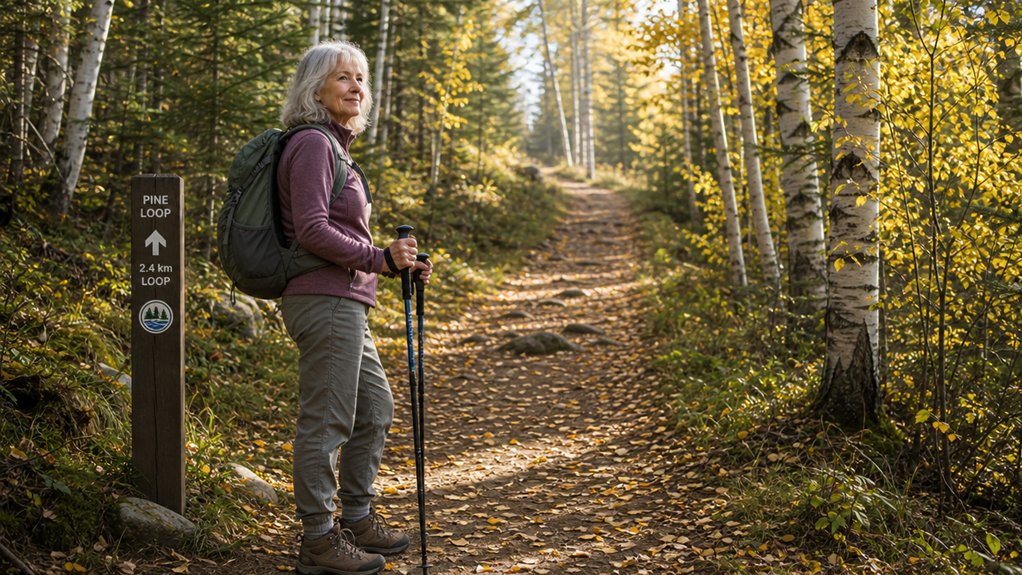
Starting small isn’t a sign of weakness, it’s just smart strategy.
Begin with 1.6–3.2 km (1–2 miles) hikes on flat, well-maintained trails. Each week, increase your mileage by only 10-15%.
That steady pace lets your body adapt without breaking down.
Between hikes, make sure you’re walking 5–8 km (3–5 miles) regularly. Those sessions build endurance quietly, without drama.
Poles help older hikers distribute weight and stay stable as distances grow.
Don’t hesitate to turn back if something feels off, that’s judgment, not failure.
When selecting trails, research wildlife awareness and trail conditions in advance to ensure a safe hiking experience.
Freedom on the trail starts with knowing your limits.
Every mile you hike is quietly doing more than burning calories. It’s building a stronger, freer version of you.
Hiking as an older adult strengthens bones, reducing osteoporosis risk considerably. Your heart works more efficiently, and circulation improves with every day hike you complete.
Poles help reduce strain on knees while keeping your balance solid on uneven terrain. That means less joint pain and better mobility long-term.
Hiking also lifts your mood and connects you with others. Studies confirm it reduces depression and loneliness. Accessible outdoor activities like hiking are designed to ensure seniors of all abilities can safely enjoy Canada’s natural landscapes.
Make hiking a consistent habit, and your body will thank you for years.
The most common mistake new senior hikers make is going too far too soon and needing a week to recover afterward. That recovery time discourages the second trip.
Start shorter than you think you need to, finish feeling like you had more in the tank, and go again sooner. That rhythm builds fitness faster than pushing hard and resting long.
Trekking poles are worth trying if you haven’t yet, particularly on any trail with uneven ground or descents. Most people who try them don’t go back to hiking without them.
The reduction in knee strain over a long day is noticeable, and the stability on loose rock or wet trail makes a real difference.