Physical Address
304 North Cardinal St.
Dorchester Center, MA 02124
Physical Address
304 North Cardinal St.
Dorchester Center, MA 02124

Canada's outdoor options vary by province, season, and how far you are willing to drive. This is a starting point for the ones worth the trip.
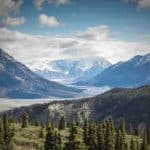
Canada is one of the best countries on earth to spend time outdoors. That is not a promotional claim. It is what the geography produces: more freshwater than anywhere else, mountain ranges, boreal forest, and a national and provincial park system that puts wild places within reach of most Canadians.
The problem is that the options are genuinely overwhelming. Outdoor activities in Canada cover enough variety that knowing where to start is its own challenge.
This article introduces four activities that between them cover most of what the Canadian outdoors actually offers: hiking, fishing, kayaking, and camping. No ranking, no bucket list.
Just an honest look at what each one involves and who it actually suits.

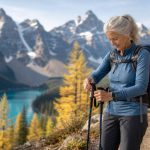
At the beginner level, hiking is walking on a trail. You do not need technical skills, specialized fitness, or expensive preparation for a first hike. You need reasonable footwear, water, and a trail that matches where you are physically right now.
Canada’s national and provincial park systems make this accessible in a way that few countries match.
Most major parks have trail options ranging from paved interpretive paths to multi-day backcountry routes. That range means there is almost always an entry point for a beginner.
A realistic first hike is two to four hours on a marked trail in a park near where you live. You come home tired in a pleasant way and with a clear sense of whether you want to do it again.
Hiking suits people who like being outside without a specific objective, who find that physical movement helps them think, or who want a low-cost activity that scales as fitness improves.
For a starting point by region, the guide to hiking in Canada covers accessible options across the country.
A dedicated guide walks through ice fishing for complete beginners in Canada. Fishing for a complete beginner involves more setup than hiking, but less than most people assume. You need a rod, a line, a hook, and something to put on it.
Canada’s freshwater system is one of the most significant in the world.
The Great Lakes, the shield lakes of Ontario and Quebec, the river systems of BC and the territories. The variety of species available, depending on where you are, means most Canadians are within a few hours of genuinely good fishing.
Licensing is the practical first step before anything else. Each province manages its own system, and a single-day licence is generally inexpensive. The Canadian Wildlife Federation has general information on regulations by province.
A realistic first outing is a morning on a dock or a calm shoreline, learning how to cast and how to read the water. Whether you catch anything is secondary. Most people come back because the morning itself was worth it.
For a fuller introduction to the activity itself, the guide to getting started with fishing in Canada walks through what a first outing actually looks like.
Kayaking at the beginner level is more intuitive than it looks from shore. A stable recreational kayak on flat water is manageable for most adults within the first hour. The learning curve is real but short.
Canada’s waterways make this practical across most regions. You do not need to be near the ocean. Lakes, rivers, and reservoirs provide flat water paddling within reach of most Canadians.
A realistic first paddle is two to three hours on a calm lake or slow river, close to shore, with a turnaround point in mind.
One practical advantage in Canada is that many provincial parks with water access have kayak and canoe rentals on-site or nearby. A first paddle does not require owning anything.
Most people underestimate how much they will enjoy being on the water rather than beside it. Both canoe and kayak are covered on this site.
If you want to extend paddling into overnight trips, the guide to kayak camping in Canada is a natural next step.

The most common reason people have not camped is not that they do not want to. It is that the perceived barrier is higher than the actual one.
Camping in Canada covers a wide range of options. Provincial parks across Ontario, BC, Quebec, and the Maritimes offer roofed accommodations including yurts, cabins, and platform tents with real beds.
You can spend a night in a provincial park without owning a single piece of camping gear.
At the other end of the range is backcountry camping, which requires planning and equipment. Most beginners belong somewhere in the middle.
A realistic first camping trip is one or two nights at a provincial park with vehicle access, running water, and a fire ring. You figure out what you actually need by doing it once. Almost everyone packs too much the first time.
Parks Canada has a useful activity finder for national park campgrounds by region. For a more detailed walkthrough of what to expect, the guide to planning a first camping trip in Canada covers the practical decisions.
You do not need to decide that you are an outdoor person before you try any of these.
One Saturday on a trail is enough to find out if hiking suits you. One morning with a fishing rod on a calm lake is enough to know whether you want to come back.
The outdoor life in Canada does not require a transformation. It does not require the right gear, the right fitness level, or a specific identity.
It just requires showing up once and seeing what you think.