Physical Address
304 North Cardinal St.
Dorchester Center, MA 02124
Physical Address
304 North Cardinal St.
Dorchester Center, MA 02124
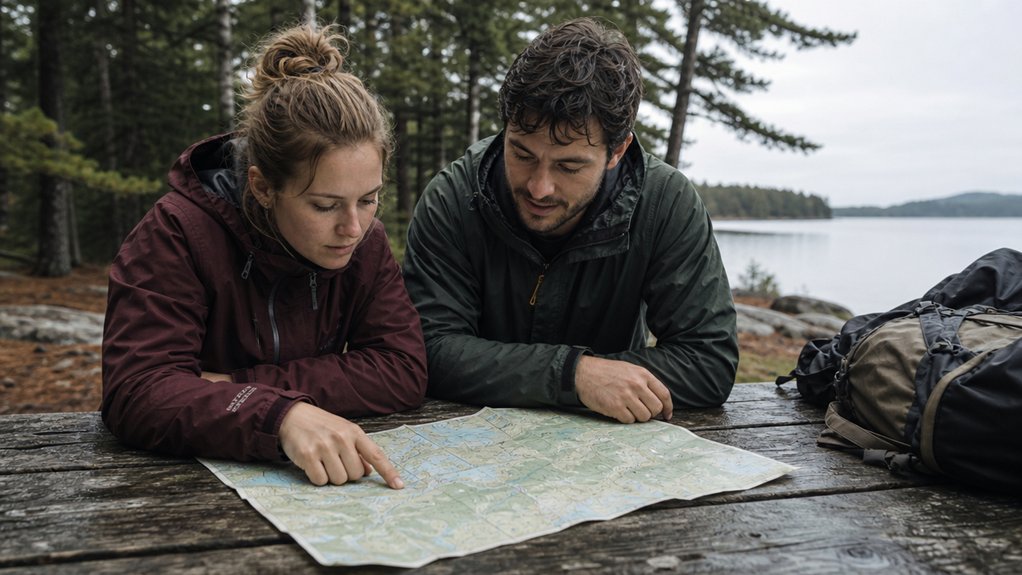
The campsite that looks perfect on the reservation map is not always the one you want. Ten minutes of research before booking changes that.
The site next to the water looks perfect from the reservation map. On arrival it turns out to be downhill from the trail washroom, directly in the path of every neighbor’s foot traffic.
Choosing a campsite in a Canadian provincial park takes about ten minutes of research if you know what to look for. Most booking systems give you enough detail to make a good call before you commit.
The checklist below covers what actually matters: ground conditions, water access, tree cover, timing, and the booking specifics that separate a good weekend from an exhausting one.
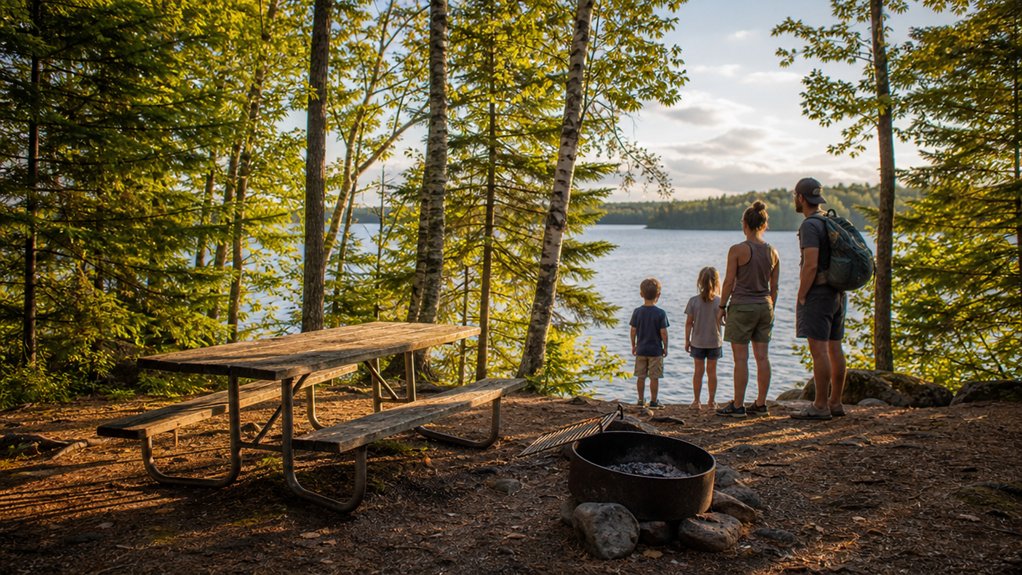
Both options work, they just serve different travelers.
Reservable advantages include guaranteed availability during peak summer weekends when occupancy tops 95%. The Ontario Parks reservation system has made all car campsites fully reservable, eliminating the first-come option entirely.
First-come spontaneity suits flexible schedules and saves you 20–35% nightly. Starting your first camping trip with a first-come site can be an excellent way to test whether camping suits your travel style before committing to future reservations.
In Manitoba and Saskatchewan, where visitor numbers are lower than in Ontario and BC, first-come sites are more reliably available even on summer weekends at many provincial parks.
Mid-week? First-come sites stay open Tuesday through Thursday year-round. Keep in mind that reservable parks in B.C. require check-in after 1 pm on your arrival date, so plan your drive accordingly.
Three things worth checking before booking:
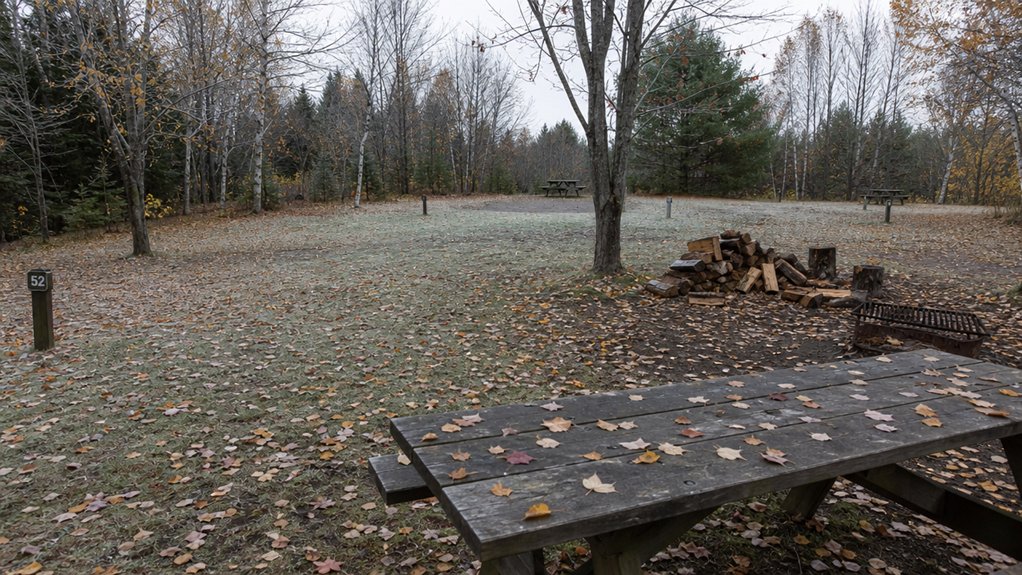
When you’re picking a campsite in a Canadian provincial park, the time of year matters just as much as the location itself.
Spring considerations include mud, unpredictable weather, and emerging bugs. Some parks may also have campgrounds closed due to recovery from events like wildfires. So check ahead to confirm seasonal closures before booking.
Starting your planning early allows you to research trail conditions and accessibility during this transitional season.
Summer dynamics mean you’ll need reservations 3-6 months out, occupancy hits 75-95%. To help secure a spot during peak demand, sign up for availability notifications so you’re alerted when campsites open up due to cancellations.
Fall opportunities drop attendance by 40-60%, giving you real freedom to grab last-minute sites.
Winter constraints are significant: only 5-15% of campsites stay open, and you’ll need specialized gear rated to -10°C or lower.
In Quebec and Ontario, where provincial parks can receive significant snowfall from November through March, winter camping is possible but requires confirming which sites remain road-accessible before you go.
Your smartest move? Shoulder planning. Late April through May and September through October deliver 30-50% occupancy with manageable weather.
Ground that looks flat when you first arrive can feel very different at 3am. A slight angle that goes unnoticed during setup becomes obvious overnight, when you’ve slid to one end of the tent.
Before pitching, lie down on the spot where you plan to sleep. Your body will find the slope before your sleeping bag does.
If the slope cannot be avoided, pitch the tent perpendicular to it rather than along it. Always sleep with your head on the high side.
A site that looks well-separated on the booking map is often much closer to neighbouring sites in person. In Ontario, BC, and Quebec provincial parks, peak weekends run near capacity.
What looked like a screen of trees may turn out to be a very short walk from someone else’s picnic table.
Arrive early enough to walk the site before you start unpacking. A few minutes spent checking actual sight lines and distance from neighbours can save you a long, noisy night.
This one is easy to overlook when you are focused on getting camp set up before dark. Many beginners place the fire ring and kitchen area wherever seems convenient, then spend the evening watching smoke drift directly into the tent.
Walk the site first and note which way the wind is coming from. Place the fire and cooking area so the wind carries smoke away from the tent, not toward it. The tent stays clear, and the evening stays comfortable.
The best campsite in a provincial park is almost never the most obvious one. It is the spot that is close enough to the water, sheltered enough from the wind, and far enough from the parking lot that the weekend feels like an actual escape.
Check the reservation system early, read the site-level notes, and filter for what actually matters to you. Most provinces let you view photos, terrain details, and proximity to facilities before you commit.
Canada’s provincial parks are some of the most accessible wilderness camping in the world. The site you want exists. It just needs to be found before someone else books it.