Physical Address
304 North Cardinal St.
Dorchester Center, MA 02124
Physical Address
304 North Cardinal St.
Dorchester Center, MA 02124
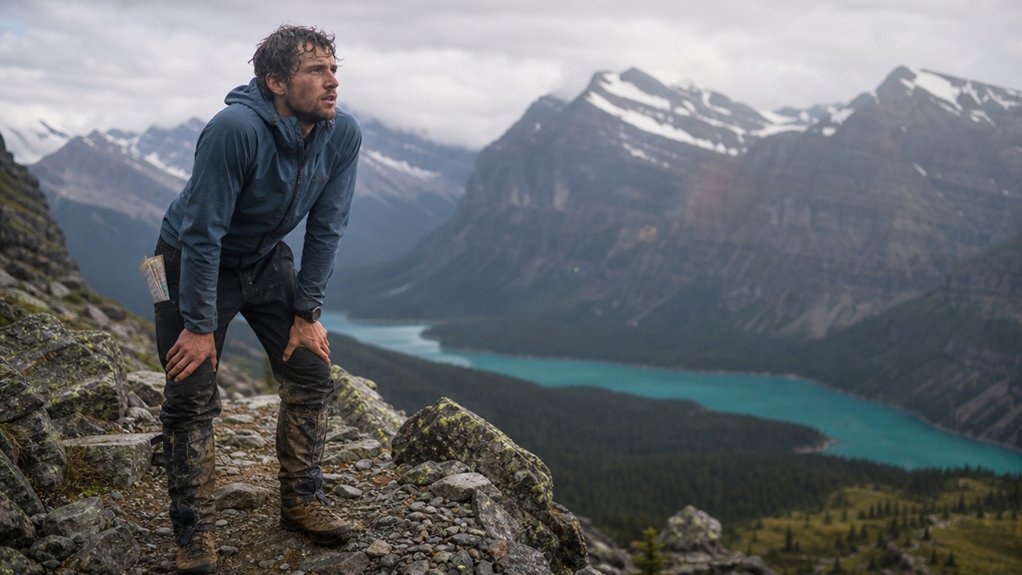
Canada's national parks hold some of the most walked trails on the continent and some of the least. The difference is usually planning.
This post contains affiliate links. We may earn a small commission if you purchase through these links, at no extra cost to you.
Canada’s national parks contain some of the most walked trails on the continent and some of the least walked. The difference is usually how far you’re willing to go from the visitor centre.
Hiking here doesn’t require experience. It requires a realistic read on your fitness level, the right timing, and a little knowledge of who else is using the trail.
The tips below apply whether you’re tackling a half-day walk in Cape Breton or a multi-day route in Banff. They’re the same things that make or break the trip.
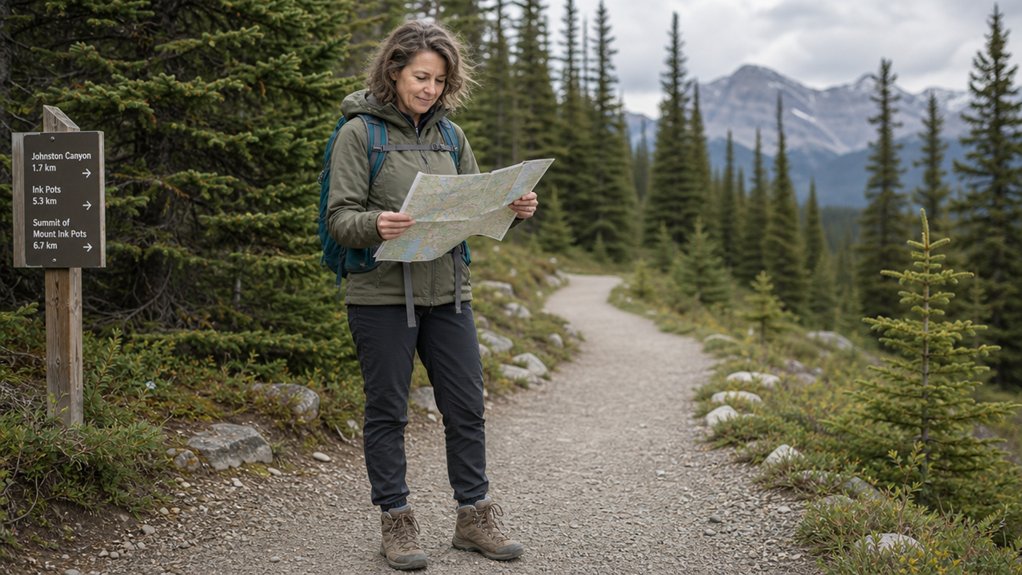
Match the trail to your body, not your ego. Before selecting your trail, review the park’s official trail classifications to understand how difficulty ratings are determined for each route.
Parks Canada rates trails from easy to extreme, and each park’s ratings account for the specific elevation, terrain, and distance of that route.
While Canadian national parks stay open year-round, each season delivers a fundamentally different hiking experience, and picking the wrong one can turn a dream trip into a miserable slog.
Spring blooms peak late season with 200+ wildflower species.
Summer crowds hit 90% park capacity July–August.
Fall foliage, especially golden larches, draws photographers while visitor numbers drop 60–70%. Canada’s national parks feature some of the most rewarding hiking trails across diverse landscapes and ecosystems.
Winter landscapes demand serious gear for -10 to -20°C temperatures.
Your best bet? Late May or early September.
You’ll dodge insects, save money on accommodation, and enjoy trails with 40–50% fewer hikers. Most alpine passes are snow-free by mid-July, so plan your high-elevation routes accordingly. If you’re researching trails on the Parks Canada website and encounter a broken link, you can browse their popular topics section to find updated planning resources and camping reservation details.
That’s freedom.
Quick packing tips: keep your pack under 20 percent of your body weight.
Break in boots for 80+ km (50+ miles) beforehand. You’ll thank yourself at kilometer three. Always include a waterproof pack cover since weather can change rapidly in Canada’s national parks. If you’re hiking with your dog, ensure they’re properly conditioned and bring adequate water for both you and your canine companion.
Waterproof trail boots in a mid-cut profile are the most versatile option for mixed national park terrain. If you need to pick up a pair before your trip, you can compare options on Amazon.
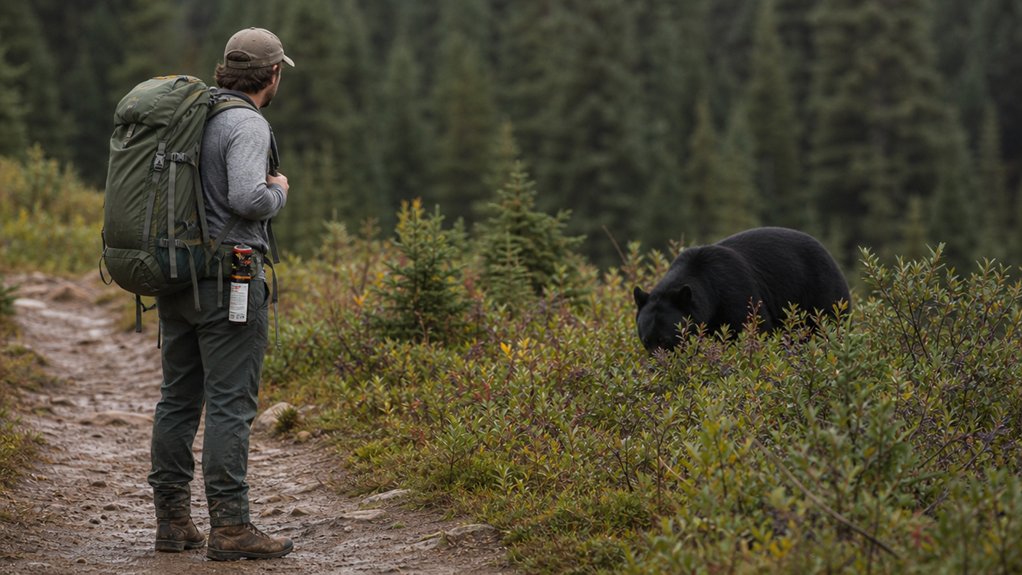
During fall rutting season, give elk and moose 50+ meters. They’re fast, unpredictable, and don’t care about your freedom to roam. If a wolf, cougar, or coyote approaches, act aggressively by stomping your feet, yelling, and throwing objects to deter it. Remember that wildlife deterrent strategies vary by species and region.
In Banff and Jasper national parks, elk are frequently spotted near trailheads and campgrounds, particularly in September and October.
Always carry bear spray and keep it within easy reach rather than buried in your pack.
Holster-style carriers keep a canister accessible at your hip without adding noticeable trail weight. If you don’t have one yet, there are plenty of options on Amazon.
Canada’s national parks cover over 340,000 square kilometers of wilderness, and keeping them intact requires more than good intentions; it takes specific habits.
Trail etiquette isn’t about restriction; it’s about protecting your freedom to roam these spaces for decades to come. With over 1,600 kilometres of maintained trails in Banff National Park alone, responsible use ensures these paths remain accessible for future generations.
Environmental stewardship starts with three non-negotiable practices:
Small habits, massive payoff. Observing wildlife from a safe distance rather than approaching or feeding animals protects both the ecosystem and your personal safety.
Plan the trail, not just the park. Many people arrive in Banff or Jasper with no specific route in mind and end up on the most crowded path by default. A half hour with the Parks Canada trail guide before you go changes the whole experience.
Match the day to your actual fitness level, bring the bear spray, and go in the shoulder season if you have any flexibility. The parks in late May and early September are quieter, cooler, and fully open.
The backcountry is one of Canada’s more accessible experiences. Most day hikes require no permit. They just require showing up prepared.