Physical Address
304 North Cardinal St.
Dorchester Center, MA 02124
Physical Address
304 North Cardinal St.
Dorchester Center, MA 02124
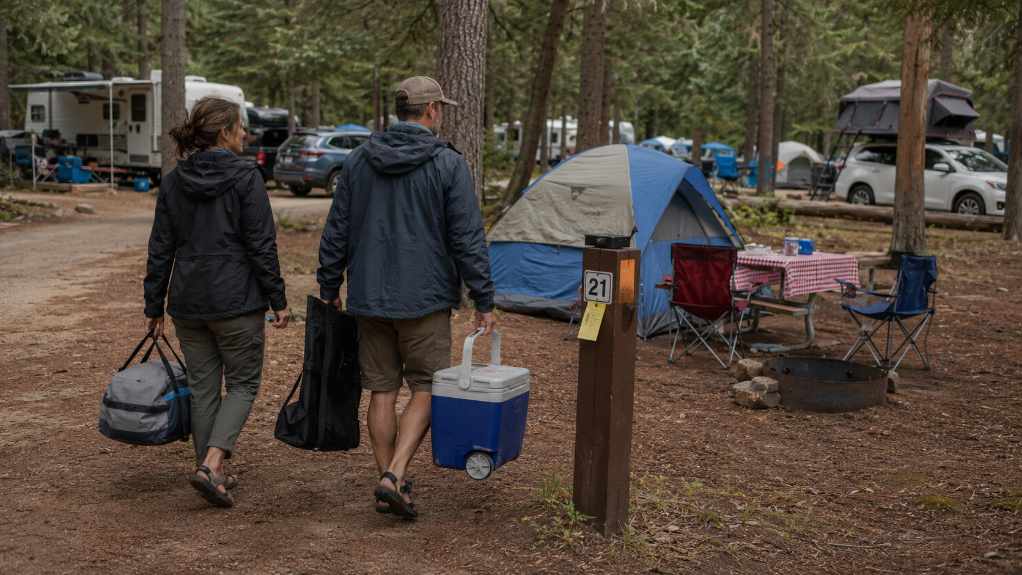
Anyone who has set an alarm for 7am to refresh the Ontario Parks booking page knows that Canadian provincial camping has changed.
If you have ever set your alarm for 6:59 a.m. to refresh the Ontario Parks booking page, you already understand the problem.
Or maybe you are in one of the Facebook groups. The ones with names like “Ontario Parks Cancellations” where thousands of members post dropped reservations in real time and the comments fill up in under thirty seconds.
There are people who have built cancellation alert systems. People who treat an Algonquin interior permit like a commodity to be tracked and seized.
Camping in Canadian provincial parks was never supposed to feel like this.
But here we are. And the story of how we got here is more interesting than the waitlist.
The spike in demand after 2020 was immediate and dramatic.
Ontario Parks saw reservation attempts crash its booking system within hours of the season opening. BC Parks reported waitlists for popular sites stretching months in advance. Quebec’s Sépaq saw similar pressure, with parks at La Mauricie and Mont-Tremblant filling before the morning was half over.
Park officials noted that they were seeing a type of visitor they had not seen before.
Not experienced campers. First-timers. Families who had never packed a tent. Adults in their 30s and 40s who grew up camping as kids, put it down for twenty years, and picked it back up again when everything else closed.
Canadians did not suddenly find provincial parks. They rediscovered them. And that rediscovery changed camping from a niche hobby into something close to a mainstream weekend ritual.
Data from Statistics Canada suggests that outdoor recreation participation among adults 35 to 60 increased significantly during and after the pandemic period. The shift was not temporary. The numbers have stayed elevated.
Something changed in how Canadians think about a long weekend.
Here is what made the rediscovery stick: the parks changed.
Not overnight. But over the past decade, and accelerating after 2020, provincial park systems across Canada invested heavily in infrastructure that makes camping accessible to people who would never have tried it before.
The old model was straightforward: bring a tent, find a flat patch, figure it out.
That works for experienced campers. For everyone else, it is a real barrier , especially if you have never done it before and have no idea what site to even book.
The newer model looks quite different.
Ontario Parks now offers roofed accommodations at dozens of parks, including yurts, cabins, and Comfort Camping options with real beds and heating. BC Parks has expanded electrical hookups across many campgrounds.
Sépaq in Quebec has built out an extensive network of ready-to-camp sites with equipment provided on-site. Parks Canada has added oTENTik structures, canvas-sided hybrid tents on raised platforms, at parks across the country.
The effect on who shows up has been real. Consider what the new options remove as barriers:
For a family camping for the first time, this is significant.
For an older adult who wants to spend a night in Algonquin but has a bad back and no interest in sleeping on roots, this is the difference between going and not going.
If you are figuring out how to choose a campsite in a Canadian provincial park for the first time, the range of options is much wider now than it was five years ago.
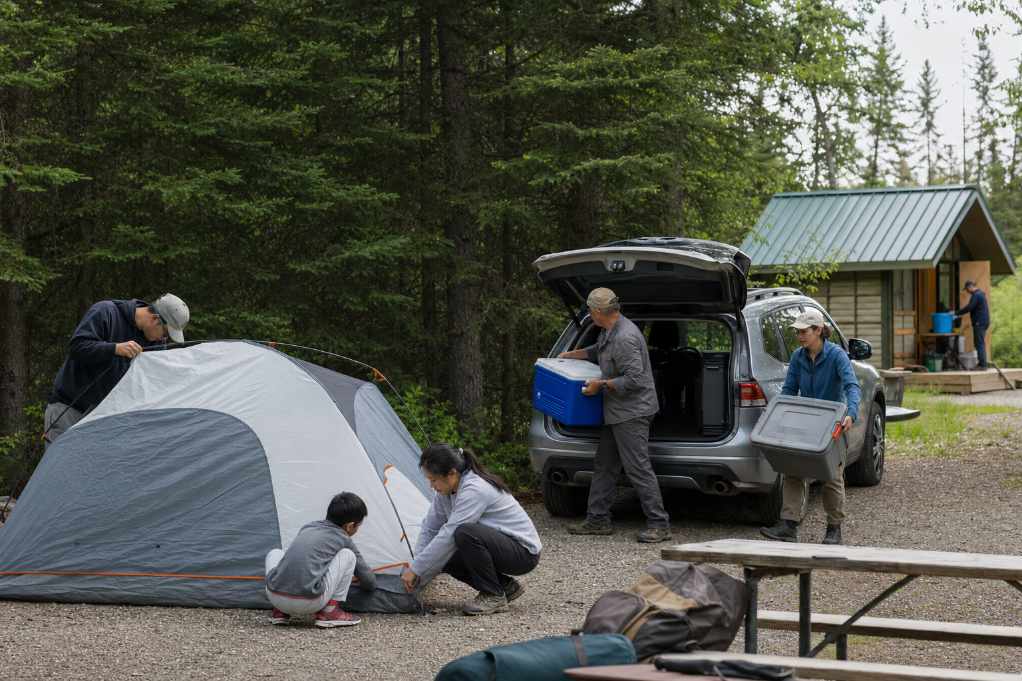
That wider range of accommodation options has also encouraged year-round use — for anyone extending the season, there is a practical guide to staying comfortable camping in Canadian winters. The demographic profile of the average provincial park camper has also shifted meaningfully since 2020.
Before, camping in Canada skewed toward experienced outdoor families, often with deep generational ties to a particular park or campground. The same people, booking the same sites, year after year.
That pattern still exists. But it now shares space with a much broader range of visitors.
Park officials from Ontario Parks and BC Parks have noted the widening visitor base publicly. Sites that were reliably available in mid-season five years ago now require planning months ahead.
The parks became more accessible at exactly the moment more people wanted to use them.
Supply has not kept pace.
Building new campsites in a protected provincial park is not simple.
There are environmental assessments, infrastructure costs, and the basic reality that adding capacity changes the character of the place people came to experience.
The waitlist culture is probably not going away.
If anything, it may intensify as camping continues to normalize as a standard Canadian weekend activity rather than a specialty pursuit. What this creates is a two-speed system: people who plan months ahead and people who show up hoping for the best.
The gap between those two groups is mostly information and habit. Most of what you need to know about planning a camping trip in Canada is learnable before your first reservation window opens.
The reservation scramble is real. The crowding at popular parks is real.
The waitlist culture is frustrating in direct proportion to how much you want to be there.
But the underlying thing that drove all of this is also real.
Canadians, a lot of them, remembered that being outside overnight is worth something.
That a fire after dark and a lake in the morning are worth a 7 a.m. alarm and a refreshed browser tab.
The parks did not create that feeling.
They just gave it a place to go.