Physical Address
304 North Cardinal St.
Dorchester Center, MA 02124
Physical Address
304 North Cardinal St.
Dorchester Center, MA 02124
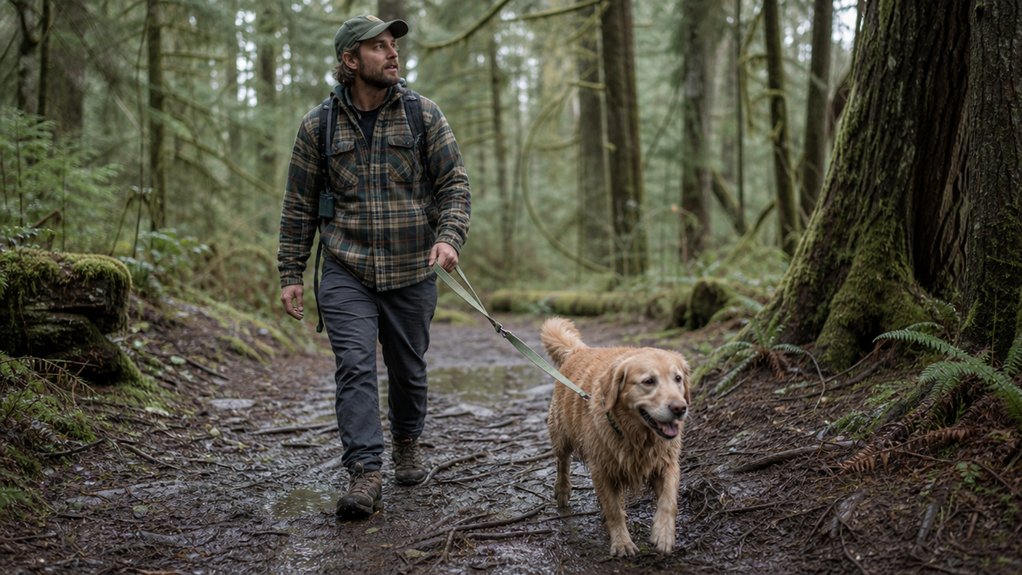
Dogs make most hikes better. They also complicate which parks you can enter and how. Here is what Canadian hikers need to know.
This post contains affiliate links. We may earn a small commission if you purchase through these links, at no extra cost to you.
Dogs make most hikes better. They also make some parks complicated.
Canada’s trail access rules for dogs vary more than most people realize, from full off-leash freedom on Crown land in British Columbia to strict two-meter leash requirements in every national park. Getting this wrong at the trailhead means turning around.
A short check before you go prevents all of it.
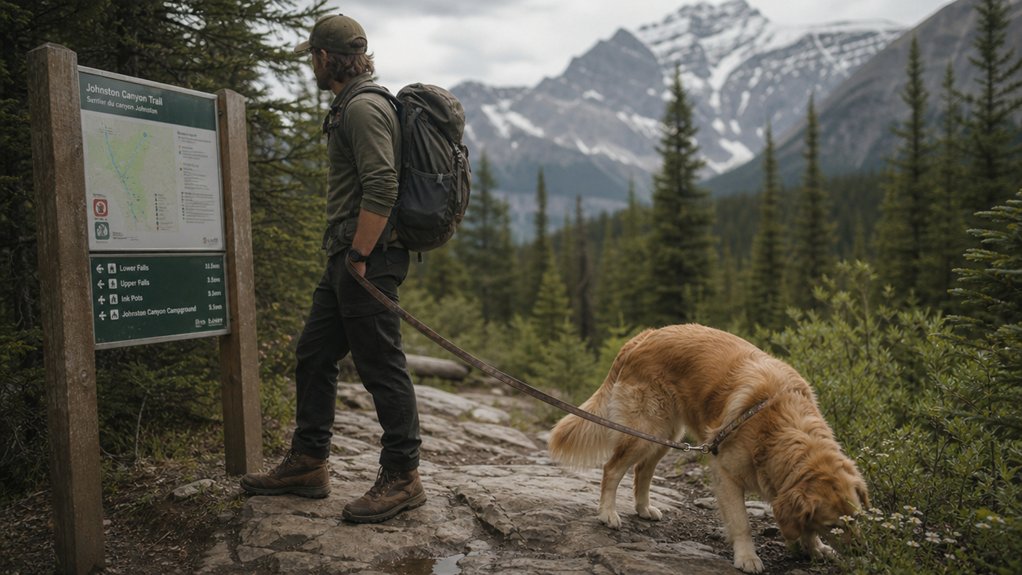
Atlantic provinces keep things relaxed, with Nova Scotia and PEI offering wide coastal access. In Ontario parks, dogs are generally welcome on campsites, park roads, and most hiking trails, but they are prohibited from beaches and swimming areas.
Wherever you go, solid hiking etiquette matters: leash up, pack out waste, and check seasonal restrictions beforehand. Many parks require that your leash or harness cannot exceed two meters to keep trails safe for everyone. Always verify trail-specific dog policies with park management before planning your trip.
Spring nesting seasons (March–June) trigger temporary leash requirements almost everywhere. Planning your hiking visit during off-season months can help you avoid these peak restrictions.
Always check before you go. On trails like the Bruce Trail, specific sections prohibit dogs entirely based on landowner agreements, so reviewing trail maps ahead of time is essential.
Before you hit the trail, your dog needs the right gear, not a fashion statement, but functional protection against Canada’s unpredictable terrain and weather.
Dog booties shield paws from sharp rocks, ice, and hot surfaces. Pair them with paw balm to prevent cracking.
Purpose-built dog boots with rubber soles and Velcro straps hold up better on rugged Shield terrain than general-purpose options. If you need to pick one up before your trip, you can compare options on Amazon.
On Canadian trails, particularly in the Rockies or on the rocky Shield terrain of northern Ontario, booties provide meaningful protection from spring melt through late fall.
For longer hikes, portable hydration systems, collapsible bowls or water bladders, let you offer water every 30–45 minutes without slowing your pace. Avoid letting your dog drink from standing water sources, and instead use dog water bottles to ensure safe hydration on the trail.
A collapsible silicone bowl folds flat in a vest pocket and takes seconds to deploy at a rest stop. If you don’t have one yet, there are plenty of options on Amazon.
A properly fitted backpack shouldn’t exceed 10–15% of your dog’s body weight.
Add a GPS tracker, a reflective vest, and a basic first aid kit. Since bears are present in many Canadian trail areas, consider carrying bear awareness essentials and training your dog to respond reliably to commands. That’s freedom with a safety net.
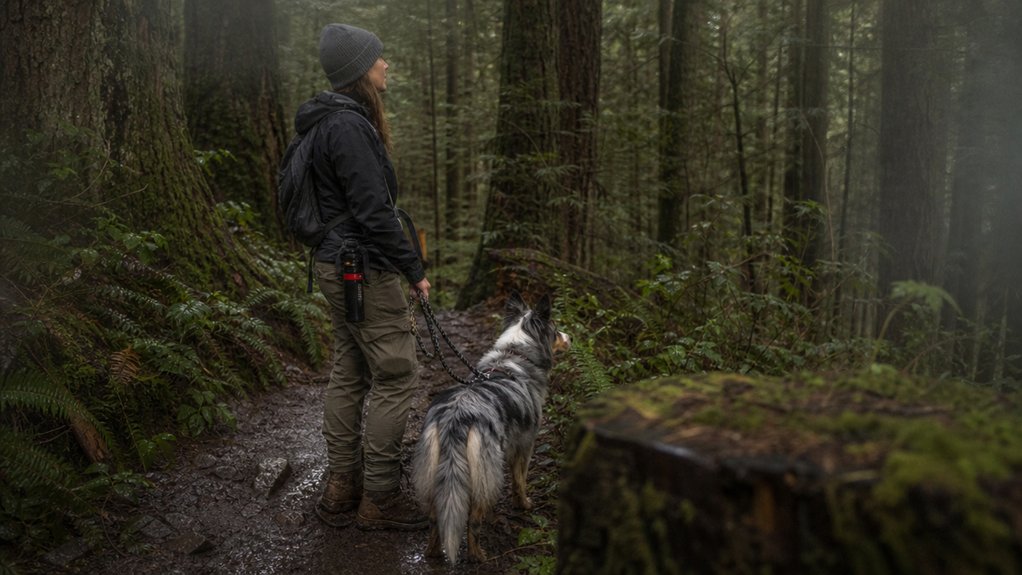
While Canada’s backcountry offers stunning scenery, it also puts your dog in shared territory with bears, moose, cougars, and coyotes.
Reducing wildlife encounters starts with preparation and the right safety equipment. Before heading out, research local wildlife in the area and learn to read the trail signs each species leaves behind. Stay on official trails and travel during daylight hours when bears and other predators are less active. If you’re planning an extended backcountry trip, consider route planning strategies to avoid high-traffic wildlife areas.
In British Columbia and Alberta’s Rocky Mountain parks, grizzly activity peaks from May through October, making daylight timing and trail discipline especially important.
Keep these essentials in check:
You’ll roam freer when you’re prepared.
Adult dogs handle 1–2 hours between breaks; puppies and seniors need stops every 15–30 minutes.
Above 24°C (75°F), increase both water and rest frequency. Carry a collapsible water dish and offer your dog water every 15–30 minutes to prevent dehydration on the trail. As a general guideline, bring approximately 237 ml (8 oz) of water per dog per hour of hiking to ensure adequate hydration throughout your adventure. Canada’s diverse terrain means you’ll encounter varying elevations and climates, so adjust your hydration strategy based on trail conditions and weather.
The parks that allow dogs outnumber the ones that don’t. The trails that work well for dogs outnumber the problematic ones. Most trips go fine.
What causes problems is showing up unprepared. Wrong leash length, no bear spray, no water, no idea whether the trail even allows dogs. Those are easy fixes done the day before, not at the trailhead.
Check the park rules, pack the basics, and go. Canada has enough dog-friendly trail to keep you both busy for a long time.