Physical Address
304 North Cardinal St.
Dorchester Center, MA 02124
Physical Address
304 North Cardinal St.
Dorchester Center, MA 02124
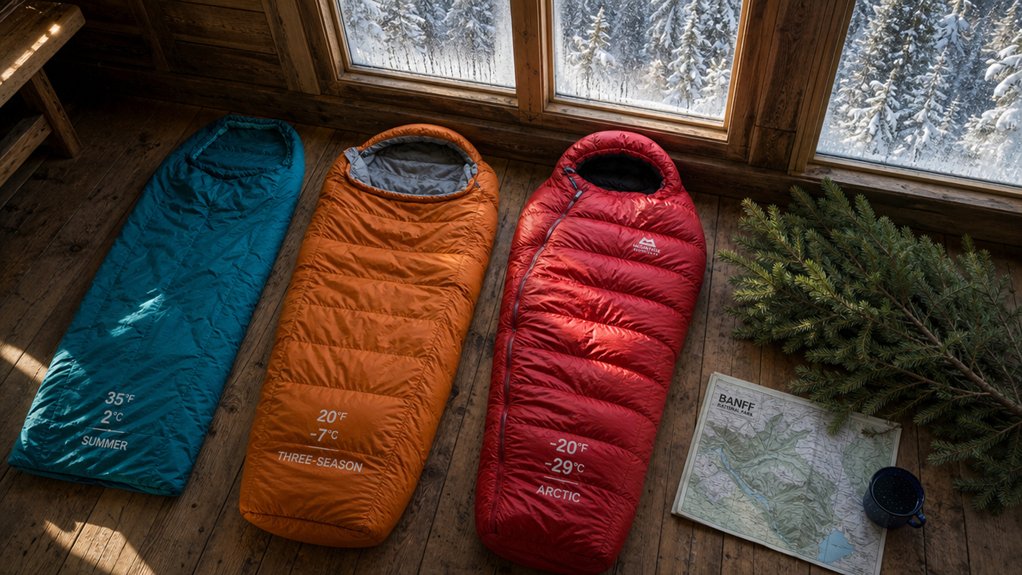
Choosing a sleeping bag for Canadian camping comes down to temperature rating, fill type, and fit. Getting those three right means sleeping well.
This post contains affiliate links. We may earn a small commission if you purchase through these links, at no extra cost to you.
The thing nobody tells you about camping in Canada is how fast a warm September evening can turn into a genuinely cold night. You crawl into your sleeping bag feeling fine, and by 2 a.m. you’re lying there in a too-thin bag, watching the condensation build on the tent wall and wondering how this happened.
A sleeping bag is one of the few pieces of gear where being slightly wrong has immediate, unavoidable consequences. Too warm and you’re fine. Too cold and the night becomes something to endure rather than sleep through. Getting the choice right comes down to a few specific numbers, and they’re not complicated once you know what they mean.
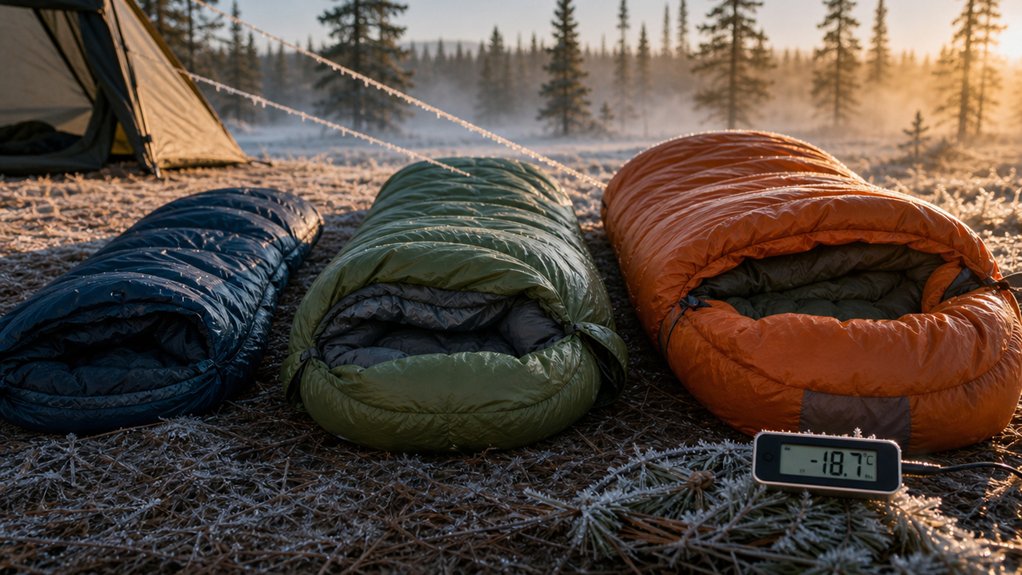
When picking a sleeping bag for Canadian camping, the temperature rating is the most important number you’ll look at.
For more on how to stay warm in a tent on cold Canadian nights, that guide is a useful companion. Always choose a bag rated lower than your expected nighttime temperatures; Canada’s nights can surprise you. The EN standard breaks it down simply: summer bags handle 0°C and up, 3-season bags cover -15°C to -1°C, and winter bags tackle -15°C and below.
If you’re camping in mountainous or northern regions, plan for extreme conditions.
Cold sleepers should consider women-specific bags, which offer extra insulation for better warmth. Your hydration and food intake also affect how warm you’ll sleep.
Before your first camping trip, research the specific campsite location to understand the local climate patterns and seasonal temperature variations you’ll encounter.
Bottom line: Choose down for dry, cold trips.
Choose synthetic when moisture is likely.
If you’re still comparing options, you can browse a range of 3-season camping sleeping bags on Amazon.
If you’re backpacking, a packable bag with a mummy shape saves weight without sacrificing warmth.
If you’re looking for add-ons for extra warmth, you can browse sleeping bag liners on Amazon.
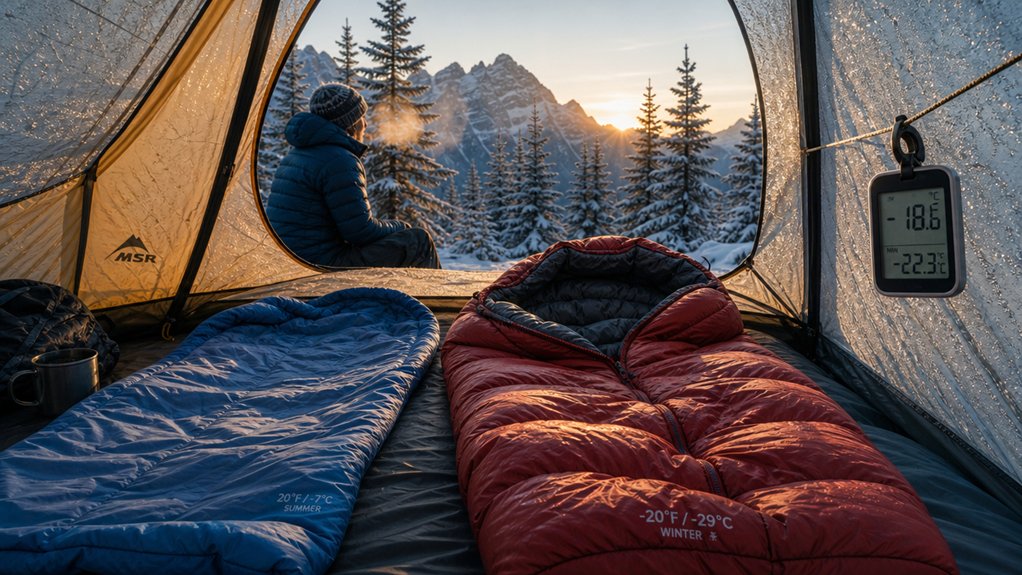
Temperature ratings aren’t a guarantee, they’re a starting point. EN/ISO temperature ratings tell you the lowest sleeping bag temperature at which you’ll stay warm, assuming you’re wearing appropriate insulation like long underwear and using a sleeping pad to reduce heat loss.
Two numbers matter most:
Cold sleepers should choose bags rated 3–5°C colder than expected nighttime temps.
Women-specific bags often include extra insulation around the torso and feet, compensating for differences in body heat retention.
Know your numbers; own your sleep.
Why settle for a sleeping bag that works great once and disappoints the next trip? Choose smarter from the start.
For most Canadian camping trips, a 3-season mummy bag rated to around -10°C covers you across spring, summer, and fall. If you run cold, go a few degrees lower. If you’re camping in the mountains or heading out in November, go lower still.
Down is lighter and compresses better for backpacking. Synthetic is more forgiving in wet conditions. If you’re car camping, the weight difference matters less. Either choice works well as long as the temperature rating is right for where you’re going.