Physical Address
304 North Cardinal St.
Dorchester Center, MA 02124
Physical Address
304 North Cardinal St.
Dorchester Center, MA 02124
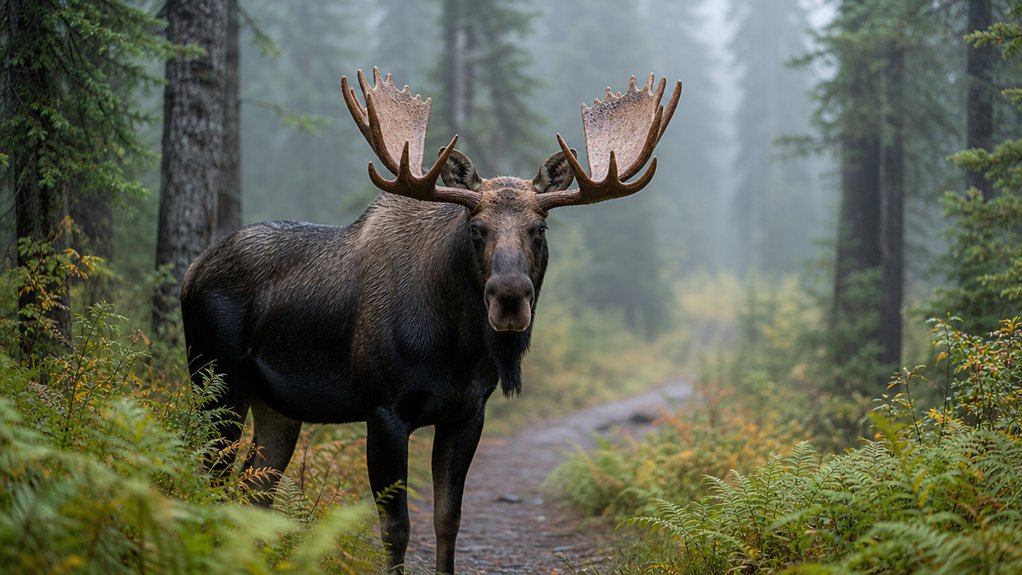
Canadian trails show signs of wildlife long before you see any animals. Tracks, scat, and sounds tell you what has been moving through.
This post contains affiliate links. We may earn a small commission if you purchase through these links, at no extra cost to you.
You hear it before you see it, a branch snapping somewhere off the trail to your left. You stop. The woods go quiet. Then whatever it was moves away through the trees and the moment passes. Half the time you never know what it was.
Reading wildlife signs on a Canadian trail is a skill that makes every walk richer, and occasionally a lot safer. Tracks, scat, gnawed bark, and the particular way a clearing has been disturbed all tell a story about what’s been moving through. You don’t need to be an expert tracker. You just need to know what to look for.
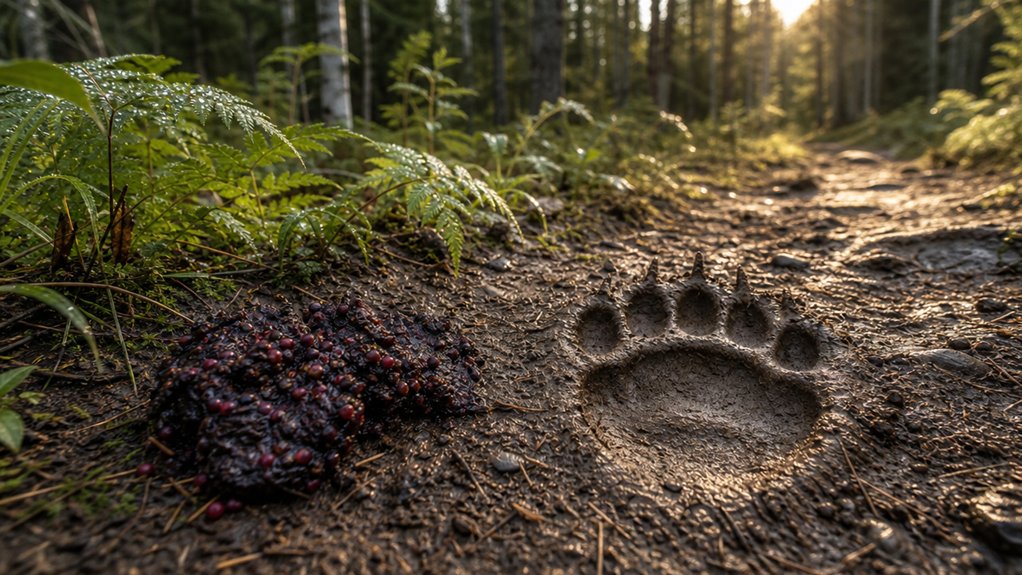
Before you spot an animal, the trail’s already telling you it was there.
Read the ground first. Animal tracks reveal who passed through. White-tailed deer leave heart-shaped prints measuring 5.1–8.9 cm long. A red fox shows a wide straddle with a C-shaped gallop pattern.
Check the scat. Raccoon scat is cylindrical with tapered ends, often containing fruit or seed remnants.
Listen up. Wildlife sounds like the common loon’s haunting wail identify species before you see them.
Spot feeding signs. Gnawed tree bark? That’s a porcupine seeking nutrients, nature’s trail notes, written everywhere.
Three large mammals share Canadian trails, and mixing them up isn’t just an embarrassing mistake, it could be a dangerous one.
Moose stand nearly 2 meters tall with wide, flat antlers, hard to miss.
White-tailed deer are smaller, with slender antlers and heart-shaped tracks.
Black bears often forage low or climb trees.
Grizzly bears have a distinctive shoulder hump and can weigh 320 kg, give them serious respect.
When you see wildlife, keep 30 meters between you and them.
Always carry bear spray for grizzly encounters.
Understanding the differences between black bears and grizzlies is crucial for choosing appropriate safety measures on the trail.
Know what you’re looking at before you get closer.
Knowing how to identify trail wildlife is only half the job. You also need to know what to do when one appears unexpectedly.
Stay calm. Don’t run.
Most animals you’re common to see on Canadian trails, bears, moose in the wild, coyotes, prefer avoiding you as much as you prefer avoiding them.
Parks Canada recommends always carrying bear spray. Before heading out on your camping trip, familiarize yourself with campfire safety regulations that may affect your outdoor experience. See a threat? Use it confidently.
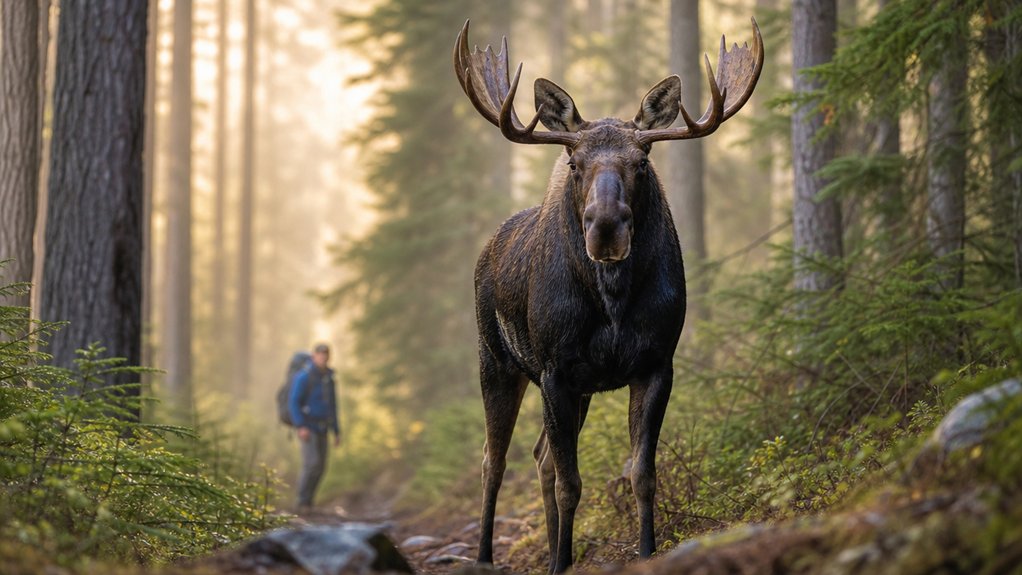
How close is too close? It depends on the animal. Make sure you’re following these safe distances:
The best times to encounter wildlife are early morning or late evening.
Use binoculars or a zoom lens so you can observe animals freely without crowding their space.
You get the view; they keep their comfort. Everyone wins.
If you need to pick one up before your trip, you can find compact wildlife binoculars on Amazon.
For more on wildlife awareness in Canadian national parks, see this guide. Once you’ve mastered keeping your distance from mammals, it’s worth turning your attention upward, because Canadian trails are full of birds worth spotting.
Your hike becomes richer when you know what you’re seeing.
Quick ID Guide: Trail Birds to Watch For
Wildlife encounters reward the observant hiker.
Look up.
A basic field guide to Canadian mammals or birds is worth having on your phone before you head out, even if you only glance at it once or twice. The more you can put a name to what you’re seeing, the more the trail opens up over time.
The safety rules are simple and worth making automatic: keep distance, don’t approach wildlife that seems unbothered by your presence, carry bear spray in grizzly country, and know which direction is out if you need to leave quickly. The vast majority of trail wildlife encounters are just encounters, nothing more.