Physical Address
304 North Cardinal St.
Dorchester Center, MA 02124
Physical Address
304 North Cardinal St.
Dorchester Center, MA 02124
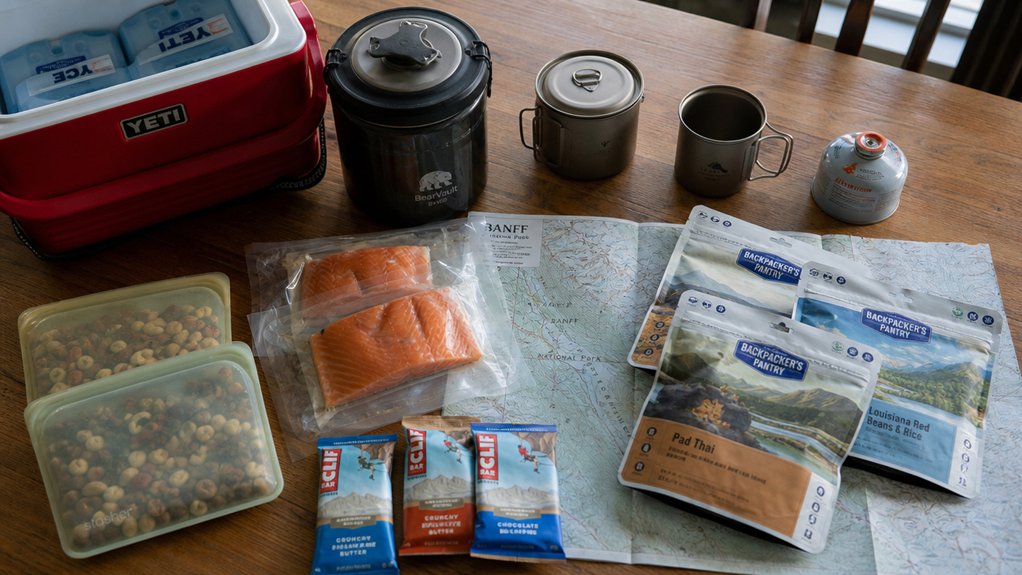
Packing food for a Canadian camping trip means planning for trip length, bear country storage rules, and keeping weight manageable across multiple days.
This post contains affiliate links. We may earn a small commission if you purchase through these links, at no extra cost to you.
Meal planning for a camping trip in Canada has a hard constraint that most other trips don’t: the wildlife. Leaving anything scented accessible overnight isn’t just an inconvenience, it’s a problem with real consequences for both you and the animals that find it. That reality shapes how you pack from the moment you start the list.
Beyond the storage rules, the practical question is just how to feed a group of people well over several days without carrying an unreasonable amount of weight or hauling food that goes off by day two. Both are solvable problems with a bit of planning before you leave.
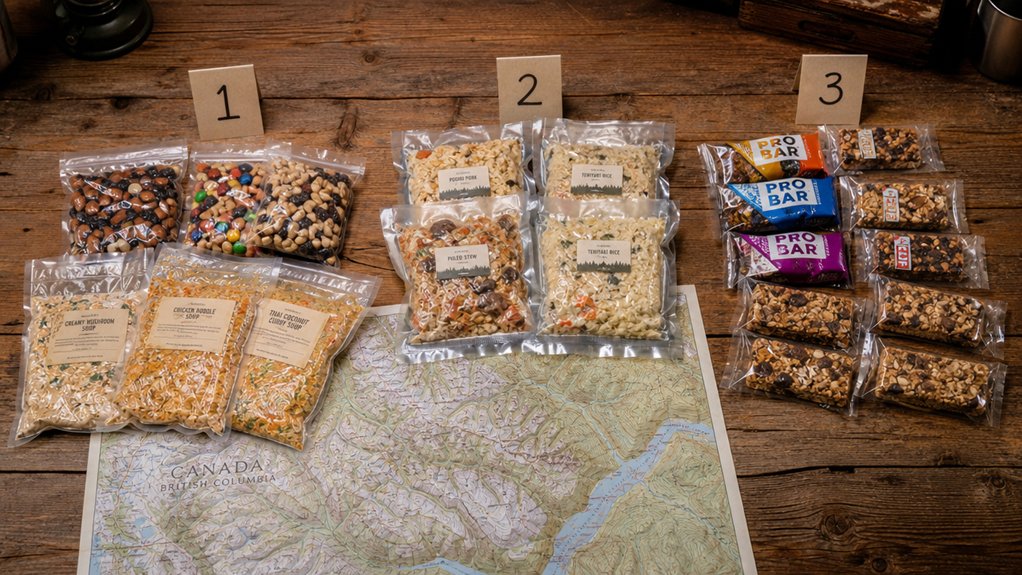
How long you’re camping determines everything about how you pack food. For 1-3 night trips, lean into fresh foods, pre-marinated meats, fruits, and easy to prepare breakfasts work perfectly. You won’t need much else.
4+ nights? Shift toward non-perishable items like dehydrated meals, dried fruits, canned goods, and hearty vegetables that last.
Planning your meals around grains and pasta gives you flexibility without hauling unnecessary weight.
Smart camping meals start with honest math: count campers, count nights. Before your trip, review essential camping planning tips to ensure you’re prepared for your specific destination and season. Good food safety practices protect your camping experience, and honestly, your campsite neighbors too.
Once you’re camping in a Canadian park, food storage stops being optional, it’s the law. Breaking park regulations can cost you fines, and attract wildlife you’d rather avoid.
Follow these three non-negotiable rules:
Proper food storage is essential not only for protecting your campsite but also for preventing dangerous bear encounters that could put you and wildlife at risk. Freedom tastes better when nobody’s raiding your campsite.
If you still need one for your trip, you can compare bear canisters for camping food storage on Amazon.
Keep cooking areas 50 metres from your tent, bears connect smells with food fast.
Pack toiletries and snacks in odor-proof bags, since bears smell 2,100 times better than you do.
Burn or bin food scraps in designated spots; never leave them exposed. Smart food storage isn’t optional here.
Check local wildlife regulations before arriving; safety practices vary by park. Understanding campfire safety rules will also help you manage fire responsibly in bear country, as improperly managed fires can attract wildlife.
Follow the rules, and you’ll keep your freedom to explore worry-free.
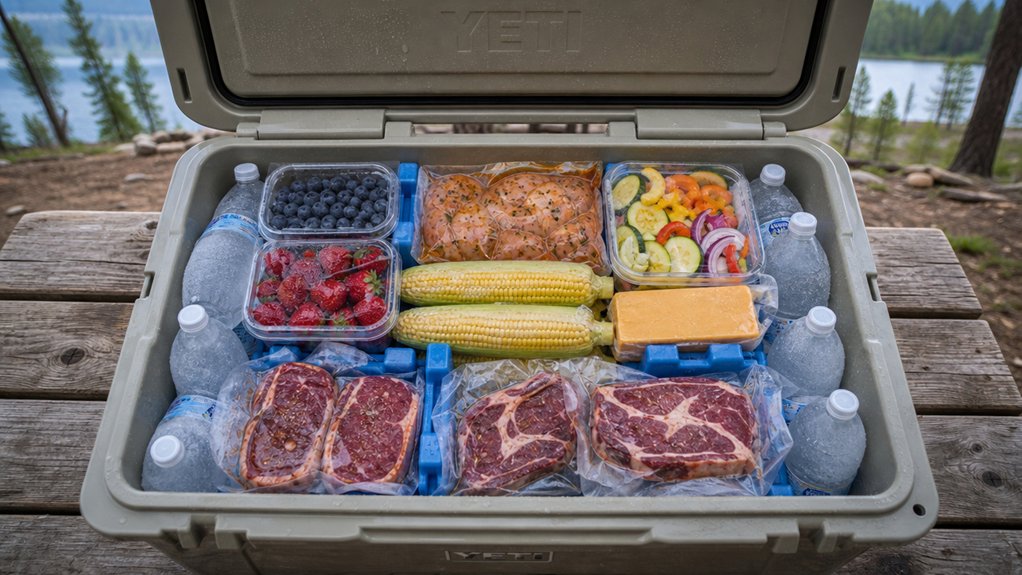
A well-packed cooler is the difference between fresh meals and a soggy, lukewarm mess. When planning your camping trip, smart packing keeps perishable items safe and snacks easy to carry.
Follow these three rules:
Keep your cooler closed between meals.
Label containers with dates so you know exactly what’s safe to eat during camping.
If you still need one, you can compare insulated camping coolers on Amazon.
Eating well at a campsite doesn’t require hauling a full kitchen. These five meals that require almost no gear will keep you fueled throughout your trip:
The food prep decisions that matter most happen at home, before anything goes into a bag or a cooler. Know your campsite’s bear storage rules before you pack, because not every park supplies bear boxes and some require you to bring your own canister.
Count your nights, count your campers, and build the list from the actual numbers rather than from memory or optimism. A camping trip where the food runs out on the last afternoon is a much less enjoyable trip than it should have been. A little arithmetic before you leave fixes that completely.