Physical Address
304 North Cardinal St.
Dorchester Center, MA 02124
Physical Address
304 North Cardinal St.
Dorchester Center, MA 02124
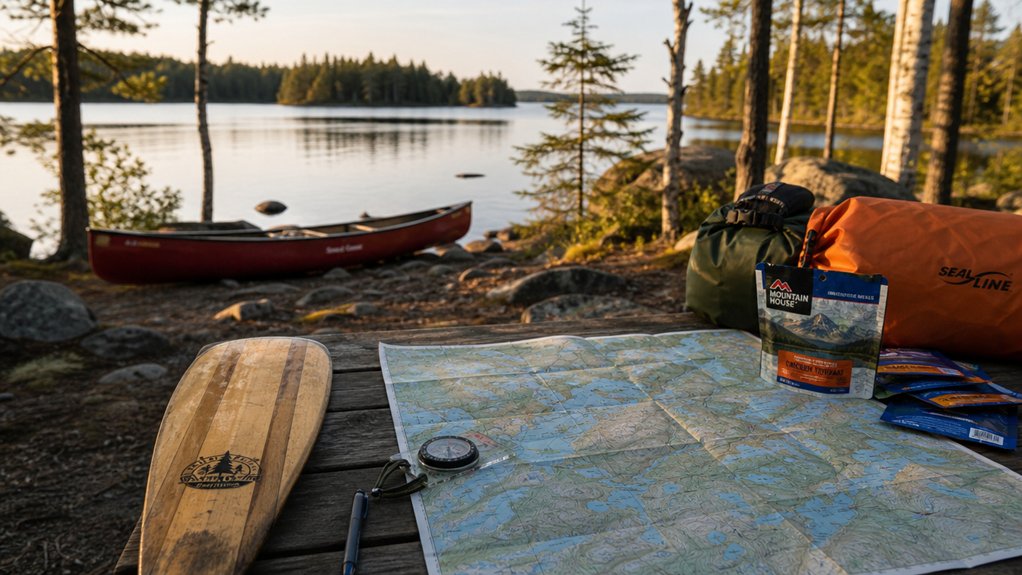
Planning a multi-day canoe route in Canada takes more than a map. Route selection, portage prep, and campsite booking all matter before you launch.
This post contains affiliate links. We may earn a small commission if you purchase through these links, at no extra cost to you.
There’s a particular kind of satisfaction that comes from paddling into a campsite you planned yourself, knowing exactly how far the next portage is and what your exit looks like three days from now. That kind of confidence doesn’t come from optimism. It comes from planning done properly before you leave the dock.
A multi-day canoe route in Canada can take you through some of the finest backcountry in the world. It can also turn into a miserable slog if the portages were underestimated or the campsites were already full. The difference between those two trips is almost entirely in the preparation.
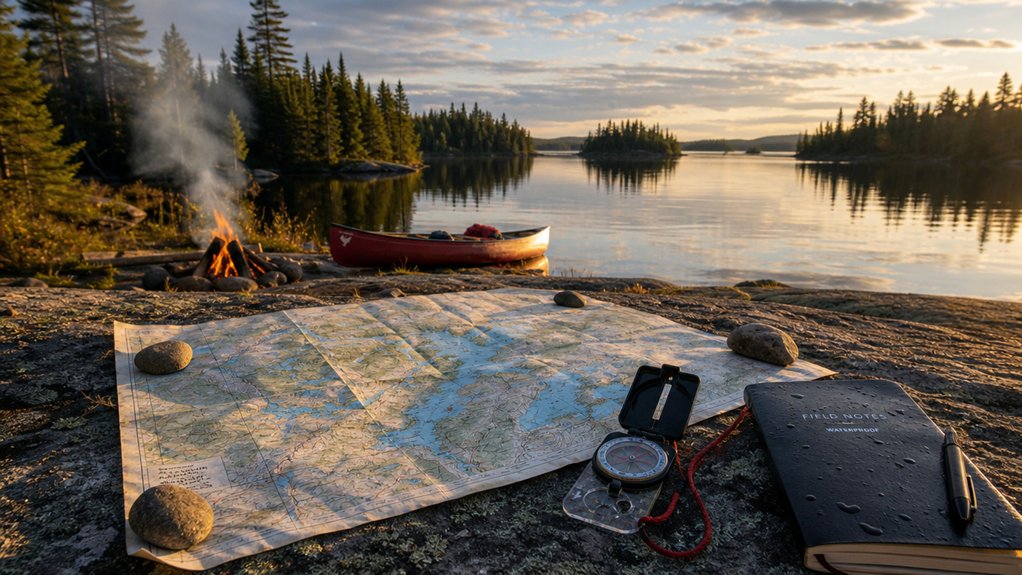
Consider seasonal conditions. Late spring and early fall offer ideal weather and wildlife viewing.
Local outfitters provide solid, tailored route recommendations.
Before finalizing your route, research waterway safety considerations specific to your chosen paddling destination to ensure a secure journey.
When you’re new to canoe tripping, portaging, carrying your canoe and gear overland between two bodies of water, can feel like the most intimidating part of planning a route.
For beginners, keeping portage distance under 400 meters helps guarantee manageable shifts between lakes.
Terrain matters too; rocks, roots, and hills can turn a short carry into a workout.
Trim your gear weight, plan only 4-5 hours of paddling daily, and leave room for portaging time.
Learning proper portaging techniques, like carrying your canoe first, then returning for gear, builds real confidence on multi-day trips.
Understanding paddling basics before your trip will help you move efficiently through the water and arrive at portages less fatigued.
Smart planning makes the difference.
Paddling.ca is one of the most practical tools you’ll use when planning a canoe route. It maps everything you need for confident navigation.
What to Look For
For destinations like Algonquin Park, these details transform canoe tripping from guesswork into genuine freedom. Understanding proper paddling technique will also help you execute your planned route safely and efficiently.
Read the map before you paddle, not during.
If you need to pick one up before your trip, you can find waterproof map cases on Amazon.
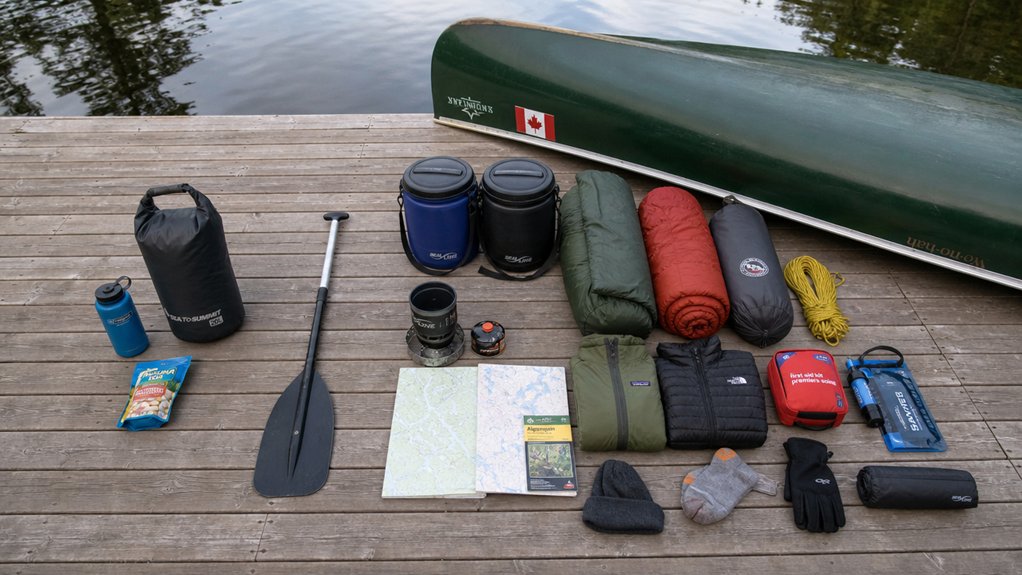
Once you commit to a multi-day route instead of a day trip, your packing list gets heavier, literally.
Your food supply jumps to 1.5–0.9 kg (2 pounds) per person daily. Your water treatment system becomes non-negotiable; bring a filter or purification tablets.
Sleeping gear means a three-season bag and pad.
Cooking equipment expands to a portable stove and fuel canister. Your first aid and safety gear kit grows too, including a satellite communicator for emergencies.
In bear country, follow bear-aware food storage protocols to prevent wildlife encounters and protect your supplies.
A multi-day canoe trip demands proper camping gear and personal gear planning. A solid packing list means fewer surprises, and more freedom on the water.
If you need to pick one up before your trip, you can browse portage packs on Amazon.
Planning your campsites before you leave the dock is what separates a smooth trip from an exhausting one. Match your campsite locations to realistic paddling goals; beginners typically manage 15 km daily.
Use park maps to find designated campsites, and book reservations early for busy parks like Algonquin.
Prioritize these factors during route planning:
Organizing your gear in a kayak efficiently ensures you can access essential items quickly at camp. Smart campsite choices keep your freedom intact all week.
The single most useful thing you can do before a multi-day canoe trip is leave a complete copy of your route, including all campsite names or numbers, with someone who won’t be on the water. That habit costs nothing and matters enormously if something goes wrong.
Everything else, the portage planning, the food weight, the map work, builds from there. A well-planned route gives you the freedom to be fully present on the water instead of second-guessing decisions you should have made at home.