Physical Address
304 North Cardinal St.
Dorchester Center, MA 02124
Physical Address
304 North Cardinal St.
Dorchester Center, MA 02124
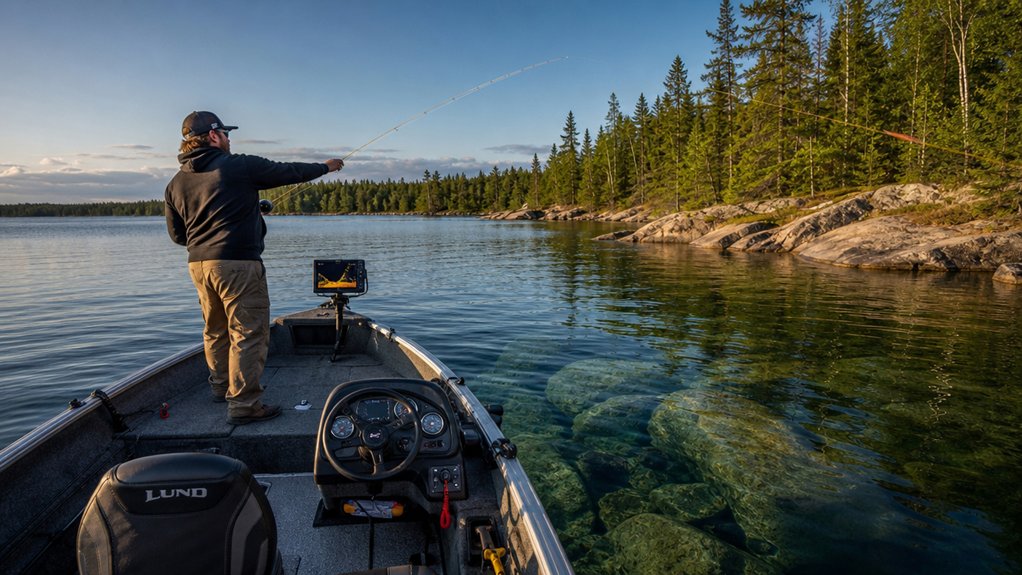
Walleye fishing in Canada rewards anglers who understand timing, structure, and the right bait for the season. Here is what actually works.
This post contains affiliate links. We may earn a small commission if you purchase through these links, at no extra cost to you.
Most people who try walleye fishing for the first time walk away thinking it’s a skill they don’t have. The fish weren’t biting. The water looked right. They had decent gear. And still nothing. Nine times out of ten, it comes down to timing and presentation, not luck.
Walleye are predictable fish once you understand what drives them. They follow temperature, light, and structure in patterns that repeat season after season across Canadian lakes. Get those three things lined up and the fishing changes fast.
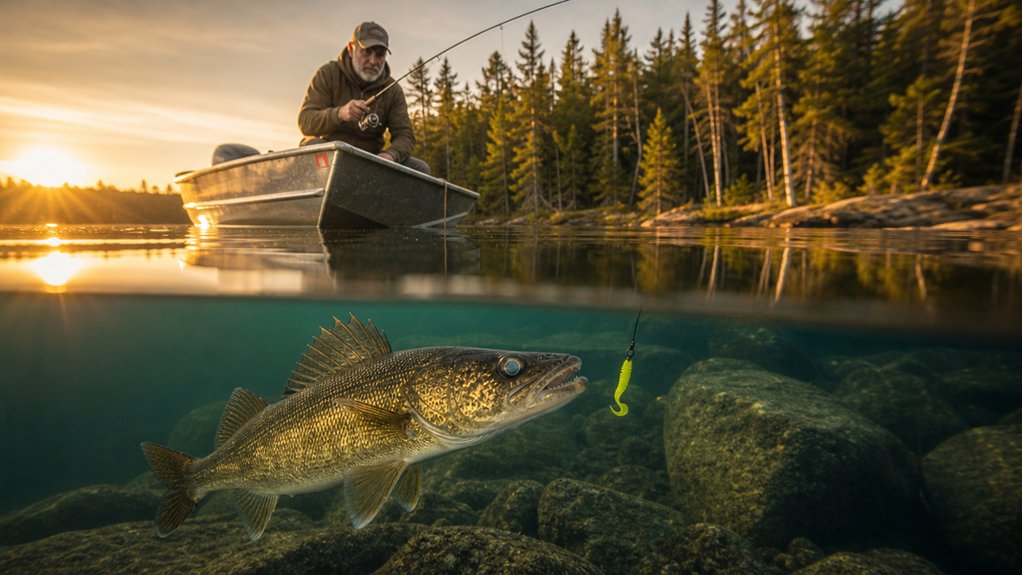
If you’re fishing in Canada, walleye are the fish everyone’s chasing. Their aggressive feeding behavior during spring and fall makes them accessible to anglers who use live bait near structure: think weed beds, rocks, and drop-offs.
Their large eyes thrive in low light, so prime fishing times are dawn and dusk.
Trophy specimens in large bodies of water like Lake Winnipeg exceed 30 inches. Conservation efforts, including catch limits, keep populations strong so you’ll always have a fair shot.
Walleye aren’t just a catch, they’re Canada’s freshwater fishing standard, combining challenge, accessibility, and reward in one outstanding package.
Knowing how to locate fish-holding structure on unfamiliar water is the key skill that separates consistent walleye anglers from those who go home empty-handed. During summer months, walleye hold at 15–50 feet near structures like weed beds and rocky points.
As water temperature drops in fall, they move shallower.
Recreational fishing here genuinely delivers.
When you fish matters just as much as where you fish. Seasonal temperature fluctuations directly control walleye fishing success; these fish aren’t random.
Peak Windows That Actually Work
Target water temperatures between 13-18°C (55–18°C (65°F)) to catch walleye during aggressive feeding frenzies. Understanding gear basics helps you select the right equipment for different seasonal conditions and depths.
Adjust your jig size and live bait presentation seasonally to attract fish effectively. Cold fronts slow everything down; plan accordingly.
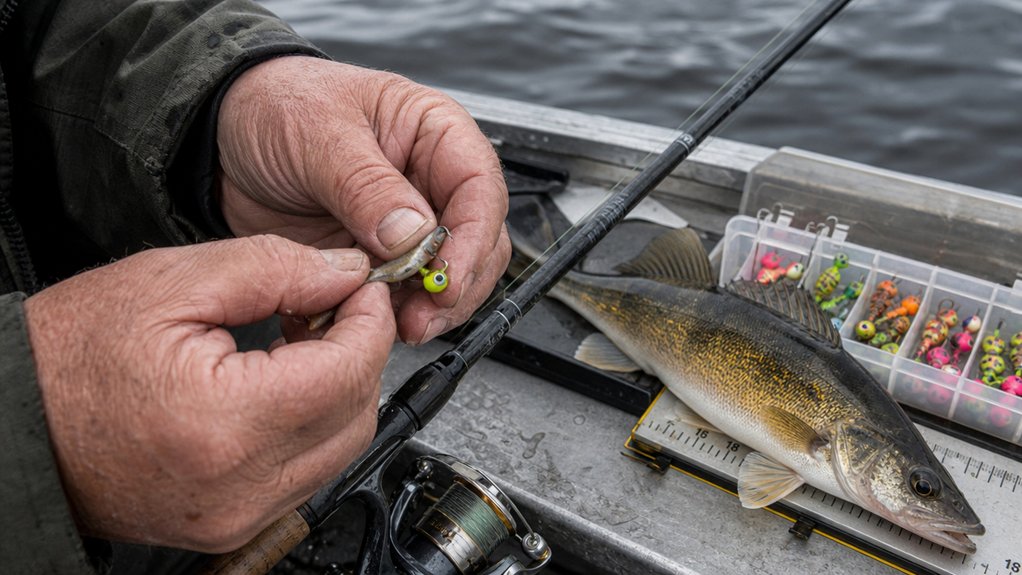
Catching walleye consistently comes down to two things: the right gear and knowing how to use it.
Whether you’re on the Canadian Shield or fishing depths you discovered seasons ago, these basics never change.
Your go-to setup:
Combine smart boat control with targeted fishing depths of 8–20 feet, and you’ll catch fish reliably. Learning to read moving water patterns will help you identify the best zones for walleye.
If you need to pick one up before your trip, you can compare walleye spinning rod and reel combos on Amazon.
If you don’t have one yet, there are plenty of walleye jigs and lures on Amazon.
Make sure you look up the fishing licence requirements for your province. Before your first walleye trip, there’s a short checklist worth running through, because showing up unprepared wastes time you could spend actually fishing.
Know before you go:
Every experienced outdoor writer covering successful walleye fishing agrees: understanding basic fishing techniques before launching beats learning them the hard way on the water.
If you’ve never fished walleye at dawn, that’s the simplest adjustment with the fastest payoff. Show up when the light is low, focus on shallow water near structure, and give the fish time to find you rather than chasing them around the lake.
The rest of the technique, jig weight, live bait selection, depth adjustments as the season progresses, follows naturally once you’re fishing at the right time. Start with the timing and the rest gets easier.